

Neuroplasticity refers to the brain’s remarkable ability to reorganize itself by forming new neural connections throughout life. This adaptability allows us to enhance our memory, learning capabilities, and also recover from brain injuries.
Neuroplasticity is at the heart of many cognitive training programs, including the Memory Rescue Program. Recent studies in neuroscience have shown that engaging in deliberate, focused practice can result in significant improvements in areas such as recall, recognition, and information retention.
For instance, when you practice memorizing information, whether it’s using mnemonic devices or engaging in active recall techniques, you are not just filling your brain with data; you are literally reshaping its structure, allowing the creation of stronger synaptic connections. Furthermore, the science of neuroplasticity suggests that these changes can be long-lasting, proving essential for anyone looking to preserve or enhance their cognitive function as they age.
Cognitive Load Theory ─ Understanding Memory Limits

Cognitive Load Theory posits that our working memory is limited and can only hold a finite amount of information at any given time. This theory underscores the importance of applying techniques that manage cognitive load to optimize learning and memory retention.
Research indicates that when information is presented in a manner that adheres to our cognitive capacity, such as chunking information into smaller segments or employing visual aids, we can significantly enhance our ability to remember that information. In the context of the Memory Rescue Program, strategies might include breaking down complex concepts into manageable pieces.
For example, learning a new language might be structured by first mastering common verbs before moving on to more complex sentence structures.
The Role of Emotions in Memory Formation
Emotions play a crucial role in the process of memory formation. Information that is associated with strong emotional responses is often more easily remembered. This phenomenon is supported by neurological studies revealing that the amygdala, responsible for processing emotions, works closely with the hippocampus, which is vital for memory formation.
For instance, events that elicit joy, fear, or surprise are generally encoded more robustly than mundane experiences.
The Memory Rescue Program leverages this by integrating emotional storytelling into memory training exercises. By creating emotionally engaging narratives around the information we want to retain, we can harness our brain’s natural propensity for emotive memories, thereby enhancing recall and deepening understanding.
Introducing the Memory Rescue Program ─ Your Guide to Enhanced Recall

The Foundational Principles of the Program
The Memory Rescue Program is built upon a foundation of neuroscience principles and strategies that aim to optimize memory and cognitive function. At its core, the program emphasizes active engagement with material, teaching participants that memory is not a passive endeavor but an active process. Traditional rote memorization methods may lead to short-term recall but seldom to long-term retention.
The Memory Rescue Program, therefore, promotes deeper processing techniques such as elaboration, where participants expand on the material by connecting it to existing knowledge, thus providing a more robust mental framework.
Another foundational principle includes the interleaving of subjects; rather than focusing on one topic at a time, individuals are encouraged to switch between subjects, enhancing their ability to differentiate and recall information when needed.
Key Techniques and Exercises for Memory Improvement
The Memory Rescue Program encapsulates several key techniques specifically designed to enhance memory. One of the most effective strategies is the use of mnemonic devices, which can take various forms such as acronyms, visualization, or the method of loci, an ancient technique that involves visualizing items to be remembered in specific physical locations.
Additionally, spaced repetition is a powerful method that involves reviewing information at increasing intervals, which has proven to be more effective than cramming. Participants are encouraged to incorporate these techniques into daily practice through exercises that gradually increase in difficulty and complexity. This not only reinforces learning but also promotes a sense of achievement as individuals witness their progress over time.
Real-Life Success Stories ─ Transformations Through Memory Rescue
Countless individuals have experienced transformative changes through the implementation of techniques from the Memory Rescue Program. Success stories abound, showcasing not only improvements in academic or professional performance but also enhancements in personal life.
From students who have gone from struggling to achieve high grades to busy professionals effortlessly recalling important details in meetings, these narratives highlight the program’s adaptability to diverse types of learners.
One such example involves a retiree who, after years of feeling forgetful, immersed herself in the program and, within just weeks, was able to recall names and faces with newfound confidence. Such stories not only inspire others but also demonstrate that memory rescue is achievable with commitment and the right strategies.
Nutrition and Memory ─ Fueling Your Brain for Optimal Performance
The Impact of Diet on Cognitive Function
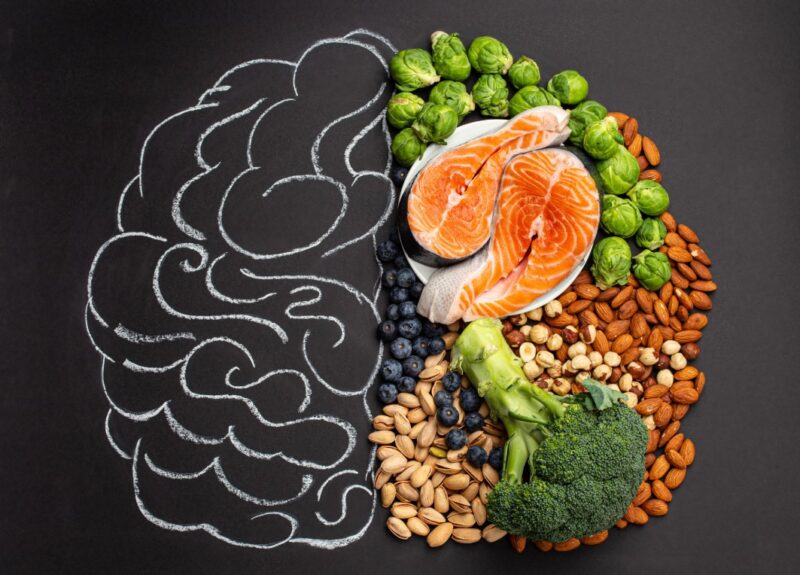
Your brain requires a significant amount of energy to function optimally, with proper nutrition playing a crucial role in cognitive performance. Various studies have shown a direct link between diet and brain health, emphasizing that incorporating brain-boosting foods can enhance memory retention and overall cognitive function.
Diets rich in antioxidants, healthy fats, vitamins, and minerals can protect against oxidative stress, which has been linked to cognitive decline. The Mediterranean diet, for example, which includes plenty of fruits, vegetables, whole grains, fish, and healthy fats, has consistently been linked to improved cognitive outcomes. Therefore, understanding the impact of nutrition on brain health is vital for individuals looking to enhance their memory capabilities.
Essential Nutrients and Supplements for Memory Enhancement
Several key nutrients play a decisive role in bolstering memory and cognitive function. Omega-3 fatty acids, found primarily in fatty fish such as salmon, have been extensively studied for their brain health benefits. These healthy fats are essential for maintaining the structure of brain cell membranes and have been shown to contribute to new neuron formation a process crucial for memory.
Additionally, B vitamins particularly B6, B12, and folate are integral to brain health as they prevent homocysteine buildup, which can be damaging to brain cells. Antioxidants like vitamins E and C, along with flavonoids found in berries, also support cognitive function and memory by protecting the brain from oxidative damage.
As such, individuals seeking to enhance their memory should consider a balanced diet complemented by relevant supplements after consulting with healthcare professionals.
Foods to Boost Your Brainpower ─ The Ultimate Shopping List
Knowing which foods to include in your diet can make a significant difference in your cognitive performance. Here’s a comprehensive shopping list for those aiming to boost brainpower and memory function:
- Fatty fish ─ Salmon, sardines, and mackerel provide essential omega-3 fatty acids.
- Berries ─ Blueberries and strawberries are high in antioxidants that benefit brain health.
- Nuts and seeds ─ Walnuts and flaxseeds are excellent sources of omega-3s and vitamin E.
- Dark chocolate ─ Rich in flavonoids, it enhances blood flow to the brain.
- Leafy greens ─ Kale, spinach, and broccoli are packed with nutrients that contribute to cognitive health.
- Whole grains ─ Foods like oats, quinoa, and brown rice provide essential glucose a primary energy source for the brain.
- Turmeric ─ Contains curcumin, which has been shown to cross the blood-brain barrier and has anti-inflammatory properties.
By consciously incorporating these foods into your daily diet, you will be providing your brain with the fuel it needs for optimal performance.
Beyond Memory Techniques ─ Lifestyle Changes for Lasting Impact

The Importance of Sleep in Memory Consolidation
Sleep is essential for memory consolidation, the process by which short-term memories are transformed into long-lasting ones. Research indicates that sleep plays a vital role in consolidating and reorganizing memories, allowing our brains to effectively manage the substantial amount of information we encounter daily.
During sleep, particularly REM sleep, the brain engages in processes that strengthen the synaptic connections formed during waking hours. Studies have shown that individuals who do not get adequate sleep are at a higher risk for memory-related problems, making sleep hygiene an essential factor in any memory enhancement program. Practicing good sleep habits, such as maintaining a consistent sleep schedule and creating a restful sleep environment, can significantly improve cognitive performance and overall brain function.
Mindfulness and Meditation ─ Cultivating Mental Clarity
Mindfulness and meditation have gained popularity as effective techniques for enhancing cognitive function and memory. These practices involve focused attention and awareness, allowing individuals to improve their mental clarity and reduce stress, which can be detrimental to memory.
Research shows that mindfulness exercises can increase gray matter in the brain, particularly in areas associated with memory and emotional regulation. By regularly practicing mindfulness or meditation, individuals can enhance their ability to focus, concentrate, and recall information effectively.
In the context of the Memory Rescue Program, these practices are integrated to help participants cultivate greater awareness and mental resilience, reinforcing the skills needed for effective memory retention.
Social Connections ─ Networking Your Way to Better Recall
Human interaction has profound effects on our memory and cognitive health. Social connections not only provide emotional support but also stimulate our cognitive faculties, enhancing memory function. Engaging with others, whether through casual conversations or more structured networking activities, can activate various brain regions and facilitate the recall of shared experiences.
Research has shown that socially active individuals tend to experience less cognitive decline as they age, attributing this phenomenon to the cognitive demands of maintaining relationships and engaging in discussions.
The Memory Rescue Program encourages participants to foster their social connections, recognizing the potent memory-enhancing benefits of interpersonal relationships. By participating in group memory exercises or shared discussions about learned content, individuals can significantly bolster their memory skills.