

Orthopedic surgeons specializing in back and spine surgery perform a critical function that goes beyond simply fixing bones and soft tissue. These professionals are trained to understand the intricate relationships between the spine, surrounding muscles, ligaments, and nerves.
Their expertise allows them to diagnose a wide range of conditions such as herniated discs, spinal stenosis, scoliosis, and degenerative disc disease. They employ advanced imaging techniques and diagnostic tools to develop a holistic understanding of the patient’s condition, leading to tailored treatment plans that aim to restore function and enhance quality of life.
Furthermore, they are adept at managing the psychological dimensions of spine surgery, as chronic pain can significantly affect mental health and emotional well-being. A skilled orthopedic surgeon understands how to communicate effectively with patients, ensuring they feel informed and supported throughout the process.
When to Seek Help: Signs You Need a Specialist

Recognizing the right time to consult a back and spine specialist is a critical step in your healthcare journey. Common symptoms that signal the need for a specialist include persistent or severe back pain, numbness, or tingling in your extremities, weakness in your limbs, or pain that radiates down the legs (sciatica).
If these symptoms interfere with your daily activities, it’s time to seek guidance from a qualified orthopedic surgeon. Additionally, sudden episodes of severe pain, especially following trauma, and changes in bladder or bowel function can indicate severe underlying problems that require immediate attention. Early intervention can lead to more effective outcomes, making it vital to be proactive about your discomfort and seek specialized care as needed.
How Unique Needs Shape Treatment Plans
No two patients are alike, especially when it comes to issues related to the back and spine. A comprehensive evaluation is needed to understand each individual’s unique medical history, lifestyle, and personal goals. Factors such as age, physical activity level, existing medical conditions, and even occupational demands all influence the choice of treatment.
For example, a young athlete may require a different approach compared to an older adult with degenerative conditions. Specialized orthopedic surgeons consider these factors when recommending treatment plans, which may include surgical or non-surgical options and rehabilitation strategies.
They work closely with each patient to develop personalized plans that not only address immediate pain relief but also promote long-term success and a return to regular activities.
Navigating Your Options: How to Find the Perfect Surgeon for You
Researching Qualifications: What Credentials Matter Most?
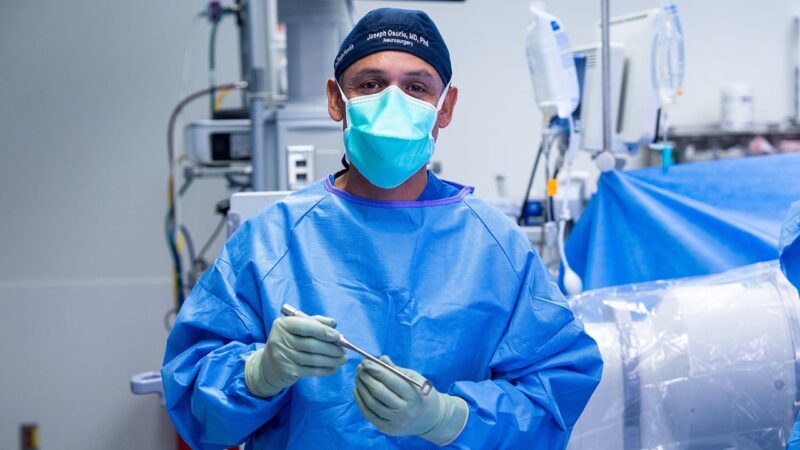
When searching for back and spine orthopedic surgeons, understanding their credentials and qualifications is essential. Look for a professional who is board-certified in orthopedic surgery and has completed a fellowship in spine surgery, which provides advanced training focused specifically on spinal conditions.
These qualifications reflect a strong commitment to excellence and the capability to handle complex cases. In addition, it is wise to review the surgeon’s experience with your particular condition, often demonstrated through years of practice and documented patient outcomes.
Hospitals and medical centers where spine procedures are performed should be properly accredited, and it can also be helpful to consider where the surgeon received their training and how actively they participate in ongoing education.
Highly regarded back and spine orthopedic surgeons often engage in clinical research or contribute to advancements in spine care, underscoring their expertise and dedication to improving patient outcomes.
Online Reviews vs. Personal Recommendations: Finding Trustworthy Insights

The digital age offers potential patients a wealth of information at their fingertips, and navigating online reviews can be both enlightening and overwhelming. Online platforms provide insights into other patients’ experiences, but it’s critical to evaluate these reviews with discernment.
Look for consistent themes in feedback, such as personal rapport with the surgeon, satisfaction with communication, and the quality of care received post-surgery. Personal recommendations from family or friends can carry significant weight, as they are based on firsthand experiences.
In addition, consulting with your primary care physician or physical therapist can yield trusted referrals based on their knowledge of your health needs. Combine these approaches, making sure to consider the reviewer’s background and context to gauge the relevance to your situation effectively.
The Interview Process: Questions to Ask During Your Consultation
The initial consultation with a potential orthopedic surgeon is an opportunity for both the patient and the surgeon to determine if they are the right fit. As a patient, come prepared with a comprehensive list of questions that can help clarify your treatment options and the surgeon’s approach.
Ask about their experience with your specific condition, success rates for similar cases, and what the expected timelines for recovery look like. Inquire about the surgical techniques they prefer to use, the potential risks involved, and how complications would be managed.
It’s also important to discuss post-operative care, including rehabilitation protocols and follow-up appointments. Assess how well the surgeon listens to your concerns and answers your questions, as effective communication is key to a successful patient-doctor relationship. Ultimately, trust your instincts; if you feel at ease and informed after your consultation, that’s a promising sign.
Understanding Treatment Options: From Surgery to Conservative Care

Surgical Innovations: Advanced Techniques in Spine Surgery
Spine surgery has advanced dramatically over the years, thanks to innovations that enhance recovery outcomes and minimize complications. Techniques such as minimally invasive spine surgery have gained popularity for their ability to reduce patient discomfort and recovery times.
This approach utilizes smaller incisions, leading to less tissue damage, decreased blood loss, and a lower risk of infection. Another significant advancement is the use of robotic-assisted surgery, which provides enhanced visualization and precision for the surgeon, improving accuracy during complex procedures.
These innovations allow surgeons to address conditions such as spinal deformities, disc herniation, or spinal stenosis more effectively. As technology continues to evolve, staying informed about the latest techniques can help patients make educated decisions regarding their treatment path.
Non-Surgical Alternatives: Physical Therapy and Beyond
Not every back problem requires surgery, and many patients may benefit from non-surgical treatments. Physical therapy is often the cornerstone of conservative care, focusing on strengthening the back muscles, improving flexibility, and promoting proper body mechanics.
Therapists employ various techniques, including manual therapy, therapeutic exercises, and modalities like heat or ice treatment. Additionally, pain management options such as medications (NSAIDs, acetaminophen), corticosteroid injections, or alternative treatments like acupuncture may alleviate symptoms.
Understanding these non-surgical approaches is vital, as they can sometimes lead to significant pain relief and restoration of function without the need for invasive procedures. Discussing these options with your surgeon or physical therapist can help determine the best pathway tailored to your specific situation.
What to Expect: Recovery Timelines and Rehabilitation Processes
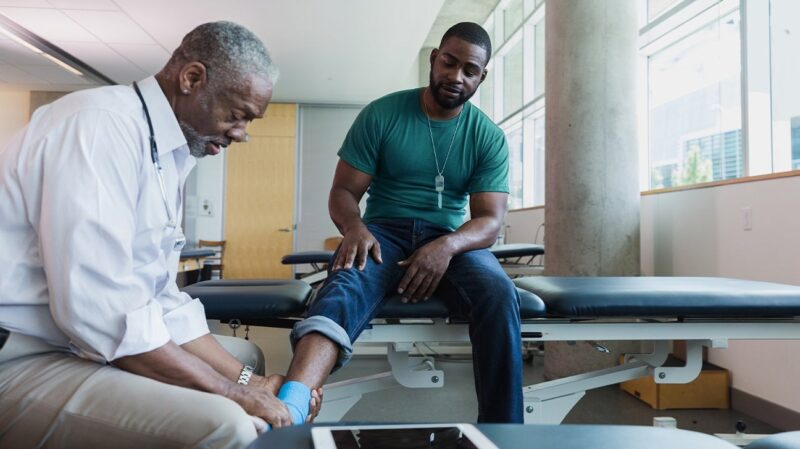
Understanding what to expect from recovery is a fundamental aspect of preparing for back or spine surgery. Recovery timelines vary widely based on factors such as the type of surgery, the patient’s overall health, and adherence to a rehabilitation program.
Generally, patients can expect to experience discomfort and some level of pain in the weeks following surgery; however, this should gradually improve as the body heals. Rehabilitative therapy is a critical element, often commencing soon after surgery with gentle movements and gradually increasing in intensity.
Patients should engage actively in their rehabilitation, as following medical advice and committing to prescribed exercises significantly contributes to a successful recovery.
Regular follow-ups with your surgeon are essential to monitor healing progress and adjust rehabilitation plans as necessary. Setting his expectations of recovery timelines can help alleviate anxiety, ensuring that patients stay dedicated to their journey toward restoring their spine health.
Your Health Journey: Preparing for Surgery and Beyond

Pre-Surgery Checklist: Essential Preparations for a Smooth Procedure
Preparing for spine surgery involves more than just showing up on the day of the procedure. A comprehensive pre-surgery checklist can streamline your process and minimize complications.
Begin by following your surgeon’s medical advice, including any dietary restrictions or medication adjustments. Patients are often advised to avoid anti-inflammatory drugs near the surgery date due to their effects on blood clotting. Additionally, it’s vital to arrange for post-operative care, as you may need assistance for the first few days following the procedure.
Consider preparing your home ahead of time, organizing living spaces to accommodate reduced mobility and ensuring easy access to essentials. Lastly, managing anxiety through discussions with your surgical team and familiarizing yourself with the surgical process can significantly contribute to a smoother experience.
Post-Op Care: Tips for a Successful Recovery

After undergoing back or spine surgery, effective post-operative care is paramount for ensuring a successful recovery. The first few days after surgery are crucial, and patients must focus on rest while adhering to their surgeon’s prescribed activity limitations.
Medications to manage pain should be taken as directed, and it’s essential to monitor for any signs of complications, such as excessive bleeding or infection. Incorporating light walks as soon as permitted can enhance circulation and aid in the healing process.
Furthermore, attending follow-up appointments allows for the medical team to track your progress and make necessary adjustments to your recovery plan. Being proactive about engaging with your care team and reporting any concerns empowers you to navigate the post-operative phase successfully.
Long-Term Health: Building a Routine to Support Spine Wellness
Building a routine to support long-term spine health is vital to prevent future issues following surgery. Patients should prioritize physical activity, as regular exercise strengthens the back muscles and enhances flexibility. Engaging in core-strengthening workouts, such as yoga or Pilates, can provide significant benefits.
Additionally, maintaining a healthy diet rich in anti-inflammatory foods supports overall healing and health. Understanding proper body mechanics, such as lifting techniques and ergonomics at work, protects the spine during daily activities.
Incorporating regular check-ins with healthcare professionals ensures that spinal health remains a focus long after the surgical journey. Ultimately, fostering a lifestyle that emphasizes wellness and preventative care can lead to a future of pain-free living and active participation in life.