
Breast milk delivers a complex balance of nutrition and immune protection. It contains highly digestible proteins, essential fats for brain development, carbohydrates for energy, and bioactive compounds that help regulate immunity.
No alternative can recreate this exact structure, but several come close in function. Modern infant nutrition focuses on how nutrients behave in the body rather than copying breast milk ingredient by ingredient.
Digestibility, absorption, and tolerance matter more than labels. Parents benefit from understanding that infant formulas are developed through decades of clinical research and safety testing, not trial and error.
Table: Comparison of Common Breast Milk Alternatives
| Option | Primary use | Protein type | Digestive tolerance | Lactose content | When it is typically recommended |
| Cow milk based infant formula | First line alternative for most infants | Modified intact cow milk protein | Generally well tolerated, some infants experience gas or constipation during adjustment | Yes | Healthy full term infants without diagnosed allergy |
| Goat milk based formula | Alternative for mild digestive sensitivity | Softer curd forming milk protein, higher beta casein | May feel gentler for some infants with mild intolerance | Yes | Infants with mild feeding discomfort but no milk protein allergy |
| Soy based formula | Targeted medical use | Soy protein isolate | Variable tolerance, taste may affect acceptance | No | Galactosemia, lactose metabolism disorders, select medical needs |
| Extensively hydrolyzed formula | Allergy management | Proteins broken into small fragments | High tolerance in milk protein allergy | Usually lactose free | Suspected or confirmed cow milk protein allergy |
| Amino acid formula | Therapeutic nutrition | Individual amino acids only | Very high tolerance, minimal immune reaction | No | Severe milk protein allergy or multiple food protein intolerance |
| Donor human milk | Clinical support option | Human milk proteins, pasteurized | Generally well tolerated | Yes | Premature or medically fragile infants when available |
1. Cow Milk Based Infant Formula as a Primary Alternative
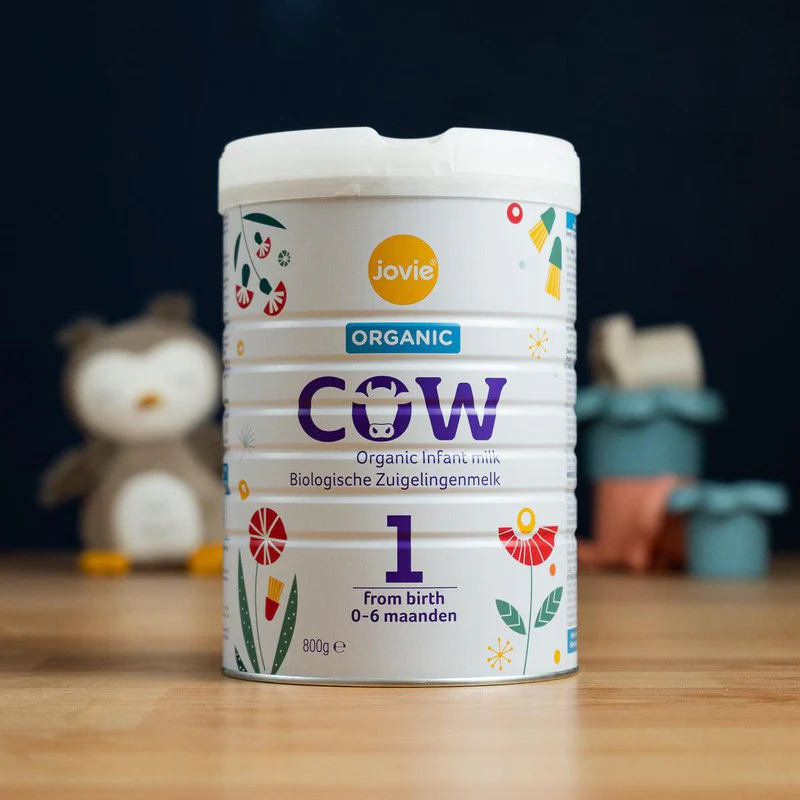
Cow milk based infant formula is the most commonly used and extensively studied breast milk alternative. It is carefully modified to reduce protein complexity, balance fat composition, and include essential micronutrients. Most healthy full term infants tolerate it well and grow normally on it.
Availability and long term safety data make it a frequent first choice. Still, individual responses vary. Some infants experience constipation or excess gas, which does not always mean the formula is unsuitable. Sometimes a different formulation within the same category improves tolerance.
Parents often evaluate formulas based on factors like
- Protein structure designed for infant digestion
- Iron content to support cognitive development
- Added DHA and ARA linked to brain and eye health
Medical guidance helps separate normal adjustment from true intolerance.
Babies who struggle with cow milk based formula (and other alternatives) may also experience gas, reflux, or excessive crying, especially during the early adjustment period. Digestive discomfort can shape feeding choices just as much as nutritional content, and persistent symptoms often signal that digestion needs closer attention rather than immediate formula switching.
When crying becomes prolonged or feeding seems consistently unsettled, some parents also look for supportive options such as colic medication for babies to help manage discomfort while nutritional decisions are evaluated. Addressing digestion alongside formula choice allows parents and clinicians to distinguish between normal adaptation and true intolerance, reducing unnecessary changes and supporting calmer feeding routines overall.
2. Goat Milk Based Formula and Digestive Differences
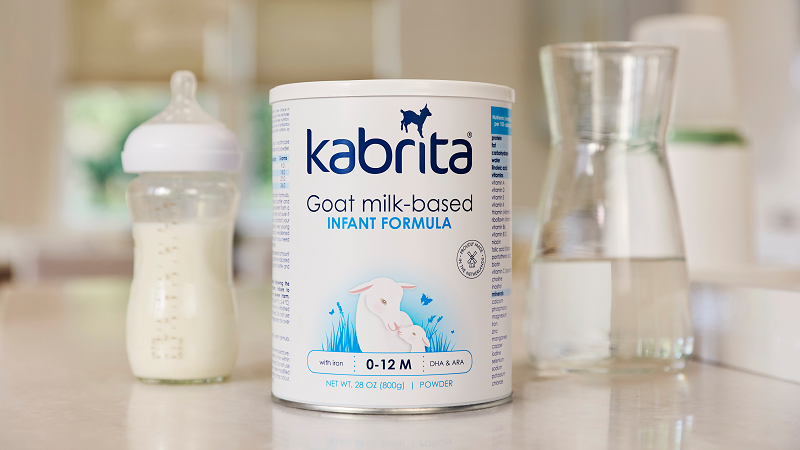
Goat milk based infant formula is increasingly discussed in pediatric nutrition because of how its proteins and fats behave during digestion. Compared with cow milk, goat milk contains a higher proportion of beta casein and forms a softer curd in the stomach. From a physiological perspective, this softer curd can pass through the digestive tract more easily, which may reduce discomfort in some infants with mild feeding intolerance. Reviews referenced by organizations such as the European Society for Paediatric Gastroenterology, Hepatology and Nutrition note that these structural differences can influence tolerance without compromising nutritional adequacy.
Parents often consider goat milk based formula for specific reasons, including
- Softer protein curd formation during digestion
- Naturally smaller fat globules that may be easier to process
- Similar lactose content to breast milk and cow milk formula
Lactose levels remain comparable to cow milk formula, so this option does not address lactose intolerance. Modern goat milk formulas are fortified with iron, folate, and essential vitamins to meet infant feeding standards. Clinical trials show normal growth patterns when used appropriately. Medical guidance remains important, since tolerance varies and popularity alone does not determine suitability.
3. Soy Based Formula for Specific Medical Situations
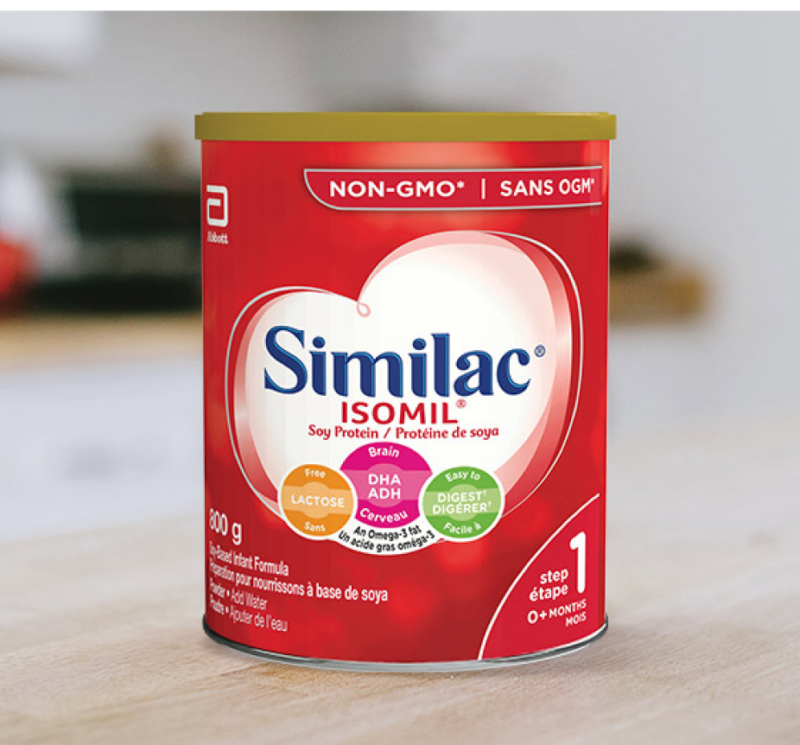
Soy based infant formula serves a clearly defined medical role rather than a general feeding solution. It uses soy protein isolate and contains no lactose, making it appropriate for infants with galactosemia or rare metabolic conditions that prevent lactose metabolism. Guidance from organizations such as the American Academy of Pediatrics emphasizes that soy formula is not recommended for routine use in all infants, especially during early infancy, but remains valuable when specific indications are present.
Situations where soy based formula may be considered include
- Galactosemia or inherited lactose metabolism disorders
- Families requiring a dairy free option for medical reasons
- Select metabolic conditions under pediatric supervision
Concerns around phytoestrogens have been extensively studied over several decades. Large scale reviews have not demonstrated adverse effects on growth, endocrine development, or reproductive outcomes in full term infants. Taste and texture differences can affect acceptance, and digestive tolerance varies. Soy formula is not recommended for cow milk protein allergy due to possible cross reactivity. In practice, it works best as a targeted intervention guided by diagnosis rather than a broad replacement choice.
4. Extensively Hydrolyzed and Amino Acid Formulas
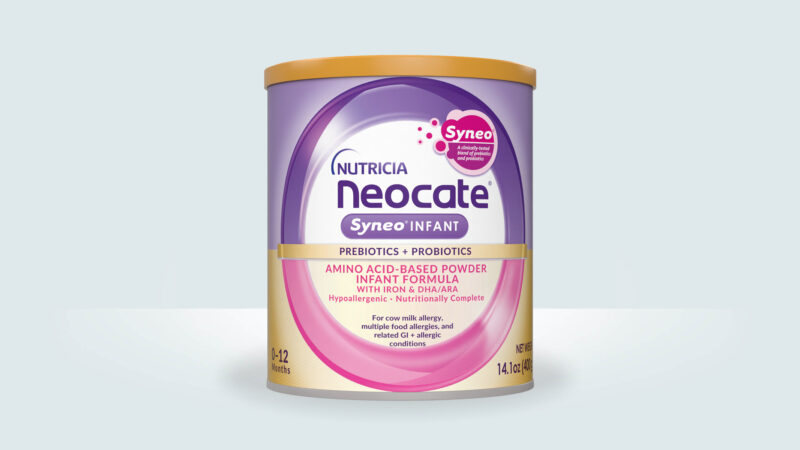
Some infants experience immune mediated reactions to intact milk proteins rather than simple digestive difficulty. In these cases, specialized formulas become medically necessary. Extensively hydrolyzed formulas break proteins into smaller fragments that are much less likely to trigger an immune response. Amino acid formulas go further by eliminating whole protein chains entirely, providing nutrition in its most elemental form. Guidelines from bodies such as the World Allergy Organization support their use in confirmed cow milk protein allergy.
These formulas are commonly used when infants show
- Persistent eczema linked to feeding
- Blood or mucus in stool
- Vomiting, poor weight gain, or severe reflux
- Confirmed cow milk protein allergy
Clinical evidence consistently shows normal growth when these formulas are used appropriately. Symptom improvement often appears within weeks, supporting the immune based mechanism behind intolerance. Drawbacks include higher cost and a bitter taste profile, which can affect acceptance. Because these formulas alter immune exposure and gut signaling, they should always be introduced and monitored under medical supervision. They function as therapeutic tools, not lifestyle alternatives.
5. Donor Human Milk and Safety Considerations
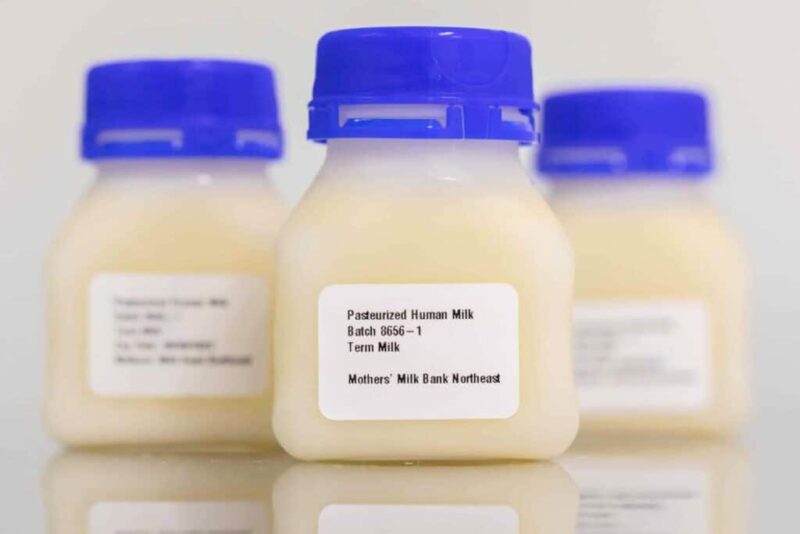
Donor human milk is pasteurized breast milk distributed through regulated milk banks. It is primarily reserved for premature or medically fragile infants. Pasteurization reduces some immune components but preserves many benefits. Availability is limited and cost can be high. For healthy full term infants, donor milk may be an option when accessible. Safety depends on strict screening and handling. Informal milk sharing is discouraged due to infection and contamination risks that cannot be reliably controlled.
Infant feeding carries unique safety requirements. Unregulated milk sharing has been linked to bacterial contamination and nutrient variability that can affect infant health.
Why Homemade Formulas and Plant Milks Are Unsafe
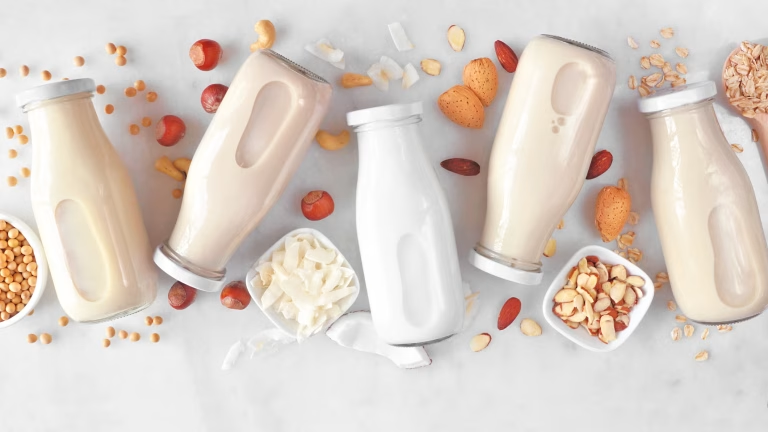
Homemade formulas and plant based milks are not safe for infants. They lack precise nutrient balance and essential minerals required for rapid growth.
Documented cases show serious health consequences including electrolyte imbalance, nutrient deficiencies, and poor weight gain. Infants require exact nutritional ratios during the first year of life. No recipe or alternative beverage can replace regulated infant formula or approved donor milk.
Parents seeking natural approaches should focus on evidence based options rather than online trends.
How to Choose the Best Breast Milk Alternative
Choosing a breast milk alternative should be thoughtful and steady. Medical history, digestive response, and growth patterns matter more than brand popularity. Observing stool consistency, feeding comfort, and weight gain provides valuable feedback. Frequent switching can increase discomfort rather than solve it. Gradual changes and professional guidance help identify what truly works for an individual infant.
Common factors considered include
- Family history of allergies
- Prematurity or low birth weight
- Persistent digestive symptoms
A calm, informed approach supports both infant health and parental confidence.
Feeding With Confidence When Plans Change
Feeding challenges often carry emotional weight. Many parents feel pressure to defend their choices. Infant nutrition science is clear. Babies thrive when fed safely, responsively, and consistently. Feeding method does not define parental care. What matters is meeting nutritional needs and responding to cues with patience. Modern alternatives exist because families need them. Reliable information and professional support make the transition easier and less stressful.
In summary, the best breast milk alternatives are not second rate options. They are carefully researched tools designed for real life circumstances. Understanding each option allows parents to feed with clarity and confidence. With the right support, infants grow healthy and secure regardless of how they are fed.