
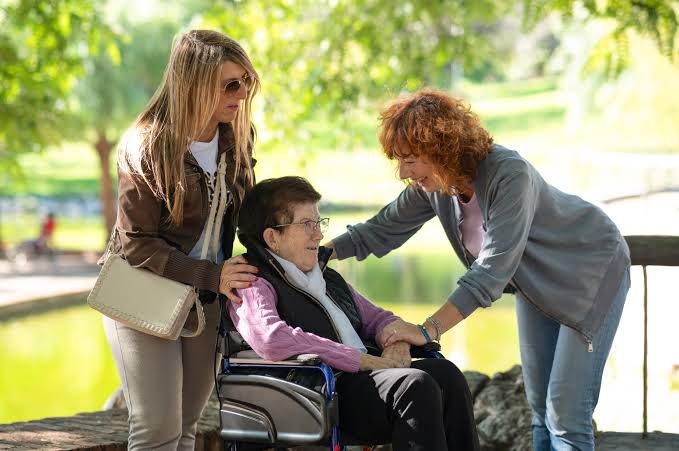
A disability day program encourages independence by offering structured routines that help participants grasp their own capabilities while boosting confidence.
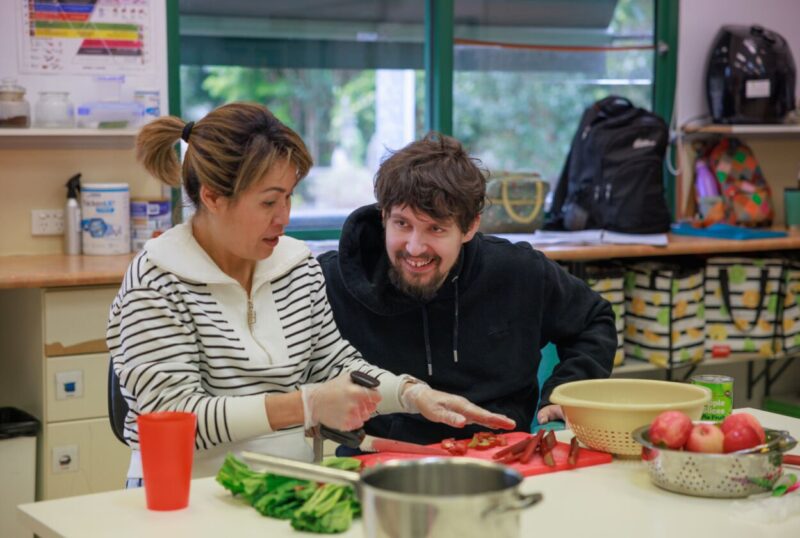
Through engaging hands-on activities like meal preparation, individuals gain a sense of pride in their accomplishments and develop vital skills within a supportive environment.
Participants forge social connections through group endeavors, such as crafting or film nights, which promote emotional well-being and foster a sense of community.
Creative expression via art and music in these programs enables participants to delve into their emotions, enhancing self-awareness and providing valuable therapeutic outlets.
Physical activities included in these programs significantly improve health, mobility, and morale, turning exercise into a joyful experience for participants.
Success stories from participants unveil inspiring journeys, illustrating how individuals conquer challenges, achieving newfound independence and confidence in nurturing environments.
Families observe uplifting changes at home as participants acquire new skills, which enhance communication and strengthen connections within the family dynamic.
How a Disability Day Program Enhances Daily Living Skills

Practicing Independence: Building Confidence Through Routine
Independence blossoms gradually, nurtured by consistent practice and guidance. A disability day program creates an atmosphere where individuals can flourish. Participants follow daily routines that reflect real-world situations, promoting a sense of autonomy. The structured approach offers more than mere repetition; it’s about recognizing personal capabilities and steadily building confidence.
Consider a group of individuals embarking on the journey of preparing simple meals. This goes beyond just a cooking class; it involves navigating kitchen dynamics and managing tasks from start to finish.
Initially, the first meal may need extra support, but as practice continues, so does the growth in confidence. Before long, group members take pride in their culinary achievements. They evolve from mere participants to chefs in their own right.
- Learning through routine: Daily schedules provide stability.
- Enhancing self-reliance: Participants take on tasks independently.
- Celebrating small wins: Each success contributes to boosted confidence.
Social Connections: Strengthening Community Bonds
Relationships form the foundation of any thriving community. Through engaging activities, participants enhance their skills while fostering meaningful social connections. These bonds are essential for emotional well-being. Shared experiences, whether gathered for crafting or film nights, deepen interpersonal relationships.
Picture a lively morning crafting session where participants create art side by side. Laughter fills the air, conversations flow, and barriers simply dissolve. Individuals who once felt isolated begin to find friendship and common ground.
They come to understand that they’re not alone on their journeys. Socializing becomes a natural and enriching extension of program involvement, enhancing the overall experience.
- Engagement in group events: Fosters lasting friendships.
- Building trust: Collaborative tasks strengthen community feelings.
- Joint problem-solving: Enhances social skills.
The Impact of Tailored Activities on Individual Growth
Creative Expression: Unleashing Potential Through Art and Music
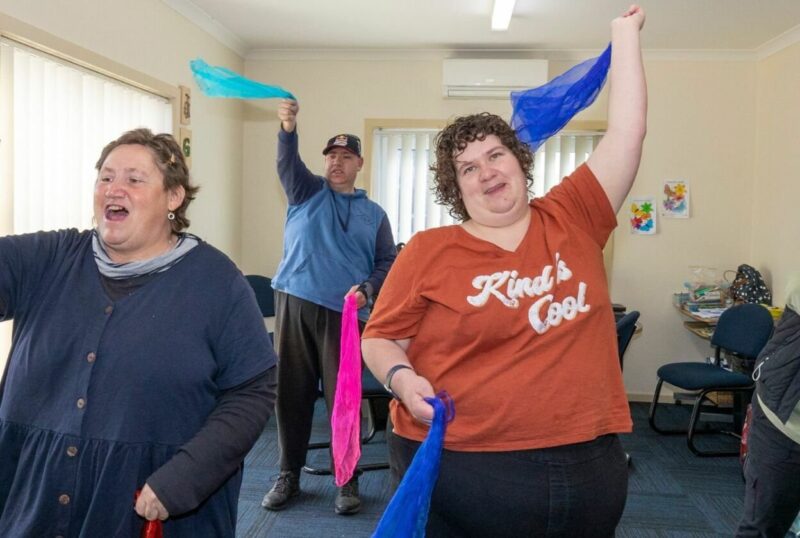
Art and music serve as powerful avenues for self-expression. Programs that integrate these elements enable participants to tap into their creative potential.
It’s more than just recognizing talent; it’s about finding one’s unique voice. This exploration allows participants to articulate thoughts and emotions often left unsaid.
Consider how a piece of art can act as a therapeutic outlet. A participant might pour their experiences into a painting, crafting a narrative that resonates not only with themselves but with the community as well. Music, too, can elevate spirits, creating connections that words often can’t. Such forms of expression lead to increased self-awareness and healing.
“Art is not what you see, but what you make others see.” – Edgar Degas
- Encouragement of innovation: Each creation reflects individual uniqueness.
- Art therapy benefits: Nourishes emotional and mental health.
- Group music sessions: Unite participants through shared experiences.
Physical Well-being: Engaging in Meaningful Exercise
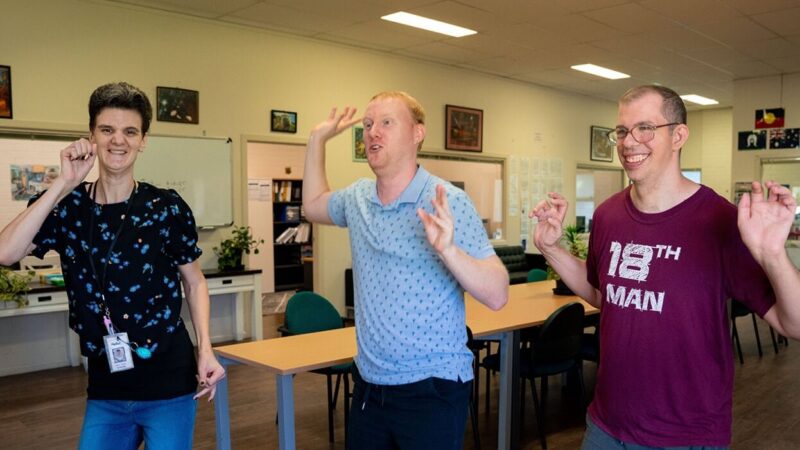
Engagement in physical activities markedly enhances overall health. Programs prioritizing exercise boost mobility, build strength, and lift spirits.
Regular participation inspires individuals to rediscover their physical selves. Often, these structured approaches include yoga, dance, or specially designed fitness classes.
Envision a vibrant class filled with laughter as everyone embraces an energizing dance routine. Participants move to the rhythm, feeling liberated with each joyful step.
This isn’t merely about fitness; it’s about enjoyment and social connection. Such activities have the power to transform lives. They break down physical barriers and increase stamina, leading to unexpected self-pride.
- Variety of activities: Catering to various interests.
- Focus on enjoyment: Making exercise feel less like a chore.
- Holistic health approach: Bringing together body and mind.
Success Stories: Real-Life Transformations from Program Participants

Overcoming Challenges: Inspiring Testimonials from Participants
Within every program, there are unique stories waiting to be shared. Each participant’s journey unfolds differently, often marked by both challenges and triumphs. One remarkable account comes from a young man who battled social anxiety.
Through time, patience, and the support of staff, he started attending a disability day program. He was hesitant at first, yet he soon discovered joy in group activities, learning to engage and share his thoughts while flourishing.
Another inspiring story features a woman who confronted mobility issues. Through specialized exercises tailored in her program, she regained her strength. Today, she navigates public spaces confidently, embracing her independence. Witnessing her transformation inspires others and ignites hope among their families.
“Transformation is a process, and as life happens, there are tons of ups and downs. But with hard work, resilience, and a little support, everyone can change.”
- Personal growth narratives: Thrive due to supportive environments.
- Peer encouragement: Fundamental to many success stories.
- Celebrating each milestone: Fosters community strength.
Family Perspectives: Witnessing Positive Change at Home
Families often play a crucial role in supporting individuals within disability programs. Their insights on the transformations witnessed at home are fundamental to understanding the true impact of these programs. As participants acquire skills and confidence, families notice remarkable changes that tend to affect everyday dynamics.
One parent described how their child’s improved communication skills led to more meaningful conversations at home.
They hadn’t foreseen just how much these simple interactions would strengthen family bonds. Another family noted that their loved one, who used to shy away from social gatherings, now actively connects with friends. The ripple effect on family life is significant.
- Enhanced communication: Promotes more meaningful family dynamics.
- Increased family participation: Values shared experiences together.
- Visible progress at home: Lives transformed beyond the program’s confines.
Working through the Enrollment Process for Maximum Benefits

Understanding Eligibility: What You Need to Know
Enrolling in a disability day program requires some groundwork. Eligible individuals often have specific needs that these programs can address. It’s vital to understand the criteria for eligibility to navigate options effectively. Many programs evaluate potential participants based on their required level of support and ability to benefit from the offered activities.
Families frequently discover that personal consultations allow them to investigate tailored programming options. Being transparent about specific needs facilitates the process. Various organizations host open houses or informational sessions, offering platforms to ask questions and clarify requirements.
- Individual assessments: Tailors fit according to need.
- Consultation opportunities: Discuss unique circumstances.
- Program tours: Experience the environment prior to enrollment.
Funding Options: Exploring Financial Support for Day Programs

Financial considerations shouldn’t discourage families from enrolling their loved ones. A plethora of funding options is usually available. Many states provide assistance programs aimed at supporting families in need. Federal resources, such as Medicaid waivers, are significant sources of support for eligible individuals seeking day program options.
Navigating financial support plays an essential role in the enrollment journey. Families are encouraged to investigate grants or community assistance programs that may be accessible. Organizations often have dedicated staff ready to assist with inquiries regarding financial aid, ensuring that services remain within reach.
- Government assistance programs: Vital financial support channels.
- Community grants: Stimulating local engagement.
- Dedicated financial staff: Available to assist with any questions.