
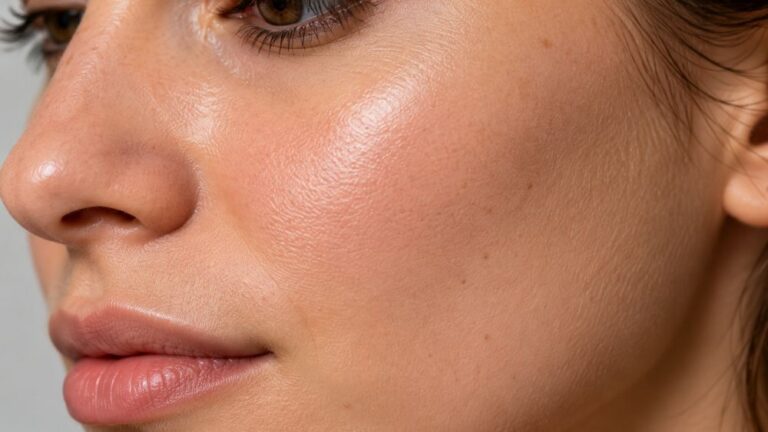
For generations, people viewed persistent skin irritation as a simple surface problem that could be scrubbed away or hidden under cosmetics. In the mid-twentieth century, medical research changed our perspective, proving that human skin acts as an active biological shield regulating moisture and defending against environmental stress. When that delicate barrier fails, applying random over-the-counter creams often fuels deeper inflammation.
Moving past quick retail fixes requires evaluating your skin’s biological triggers at a cellular level. If you are struggling with persistent redness or stubborn breakouts, visiting an accredited skin clinic in singapore gives you a clear diagnostic baseline to identify root causes instead of guessing with expensive products. Taking a structured clinical approach prevents barrier damage while keeping your health expenses manageable.
The Science of Outer Barrier Defense
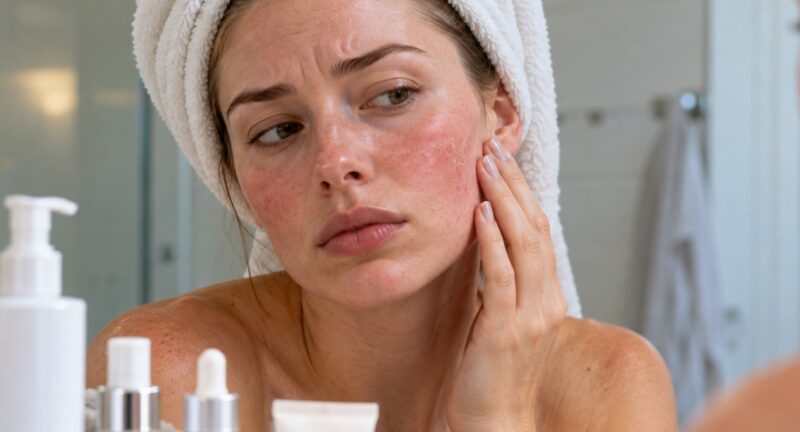
Your skin’s outer layer, known as the stratum corneum, functions much like a protective brick wall. The skin cells serve as sturdy bricks, while natural lipids and ceramides act as the mortar holding essential water inside.
When harsh soaps and other skin irritants or active acids strip away those essential lipids, microscopic gaps open across the tissue. Bacteria and environmental pollutants penetrate deep into the dermis, triggering chronic inflammation and accelerated collagen breakdown that surface creams cannot repair.
The Expensive Error of Routine Stacking
The most common and expensive mistake people make is purchasing long multi-step skincare routines containing several active ingredients. People make this error because online beauty trends promote complex layered regimens as the standard path to clear skin.
In reality, mixing multiple active ingredients like retinol, vitamin C, and exfoliating acids overwhelms the skin’s lipid barrier. Instead of curing your acne or redness, this chemical overload causes skin irritation and contact dermatitis, forcing you to spend hundreds of pounds on repair creams and specialist visits to calm the resulting flare-up.
The Trade Off in Active Exfoliation
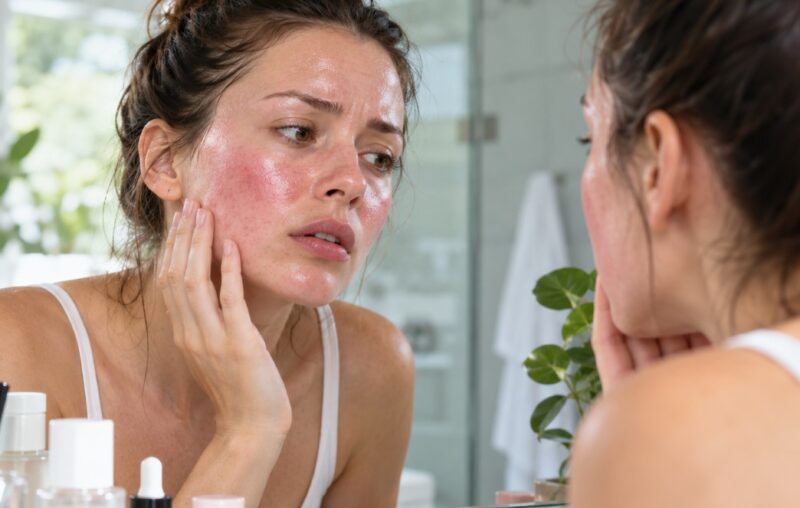
Standard beauty guides often suggest using strong exfoliating acids daily to achieve a smooth skin texture. The non-obvious trade-off is that stripping away surface dead cells so aggressively thins the protective stratum corneum over time.
While your skin may look instantly glossy for a few days, you trade long-term resilience for temporary shine. Over-exfoliated tissue loses its natural defence against ultraviolet light and environmental pollution, leading to premature hyperpigmentation and chronic sensitivity that takes months to rebuild.
Comparing Annual Care Financial Numbers
Let us look at a concrete worked example comparing retail product experimentation against targeted clinical treatment. Suppose a person spends 120 pounds monthly buying trending retail serums, toners, and masks over a twelve-month period.
That trial-and-error approach costs 1,440 pounds a year while yielding inconsistent results and occasional barrier damage. In contrast, an initial clinical assessment costing 150 pounds paired with two targeted prescription topicals at 50 pounds each lasts six months. Spending 550 pounds annually on proven medical formulations saves 890 pounds while delivering predictable, long-term skin health.
Operational Protocols for Barrier Care
Restoring a compromised skin barrier requires establishing simple, repeatable habits that minimise environmental stress. Treating your daily routine like a gentle care protocol allows your natural lipid layer to repair itself.
Keep these three core operational rules in mind for your daily routine:
- Simplify your product steps: Reduce your regimen to a gentle cleanser, a ceramide moisturiser, and a mineral sunscreen.
- Control water temperature: Wash your face with lukewarm water to prevent stripping natural protective oils from skin cells.
- Introduce active ingredients slowly: Apply new prescription treatments once or twice weekly before increasing frequency to monitor tissue tolerance.
A Simple Diagnostic Decision Rule
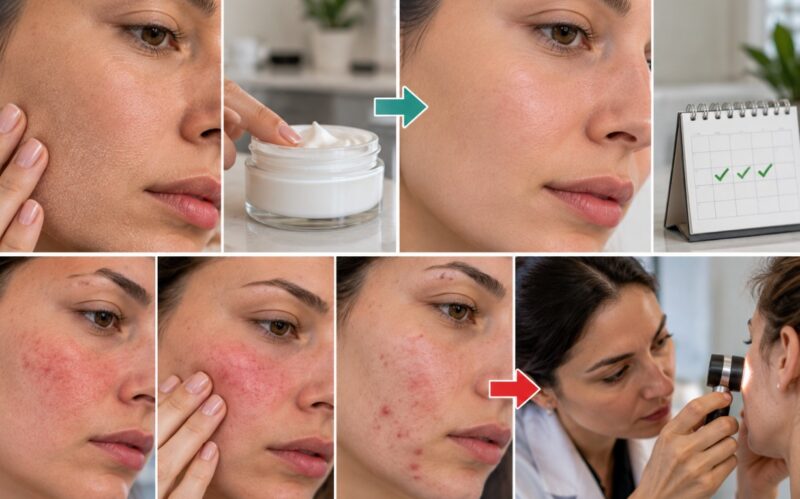
You do not need a medical degree to know whether your skin concerns require clinical evaluation. You can apply a straightforward decision rule based on how your skin reacts to basic hydration.
If your skin exhibits mild dryness that clears up within three days of applying a standard ceramide cream, basic home care is fully sufficient. If you experience persistent stinging, red patches, or cystic breakouts that last longer than three weeks despite gentle hydration, schedule a professional clinical evaluation immediately.
Restoring your skin health is ultimately about respecting human biology rather than chasing retail trends. By understanding how your natural lipid barrier operates, avoiding the trap of product stacking, and evaluating prescription care with real numbers, you protect both your skin and your finances. Approach your daily routine with calm consistency, rely on proven medical facts, and move forward with quiet confidence in your care plan.