
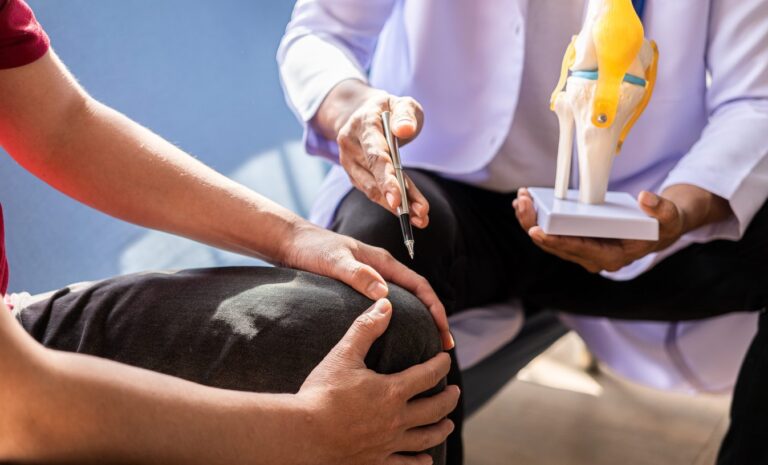
Knees have an irritating habit of making their problems known at inconvenient moments. You might discover yours while stepping off a bus, turning to reach for something in the back seat, or attempting to stand up gracefully from a very low sofa. The pain may disappear after a few days, or it may return whenever you repeat the movement. What is less obvious is whether the problem involves the meniscus, the ligaments or another part of the joint.
A useful consultation should do more than give that pain a name. If you are considering seeing a meniscus specialist in Singapore, preparing for the appointment can help you get clearer answers about the cause of your symptoms and the options available. The real value lies in understanding what the injury means for your everyday life, not simply discovering that something looks unusual on a scan.
Bring The Knee’s Story

The meniscus is a pair of tough, crescent-shaped pads inside the knee that help spread pressure between the thigh bone and shin bone. Each one can be damaged by a sudden twist or develop changes over time. Because different injuries can produce similar symptoms, the circumstances surrounding your discomfort are useful clues.
Before an appointment, think about the first occasion when the knee felt wrong. Did it happen during a football match, after a long walk, or while getting out of a car? Has the problem remained constant, or does it appear only when you squat or turn? These details help distinguish an abrupt injury from a problem that has gradually become more noticeable.
Describe What You Cannot Do
People are often good at describing pain and less precise about its consequences. Yet saying that your knee hurts is different from explaining that you can walk for twenty minutes but cannot descend a staircase without holding the handrail. The second description gives a clearer picture of the problem’s effect on your function.
Try recording a few observations before your consultation. Note which activities trigger symptoms, whether swelling follows exercise and whether the knee catches or feels unstable. You do not need a complicated spreadsheet. A short note on your phone with dates and examples will do. The aim is to identify a pattern rather than rely on your memory of the worst moment.
Make Imaging Answer Questions
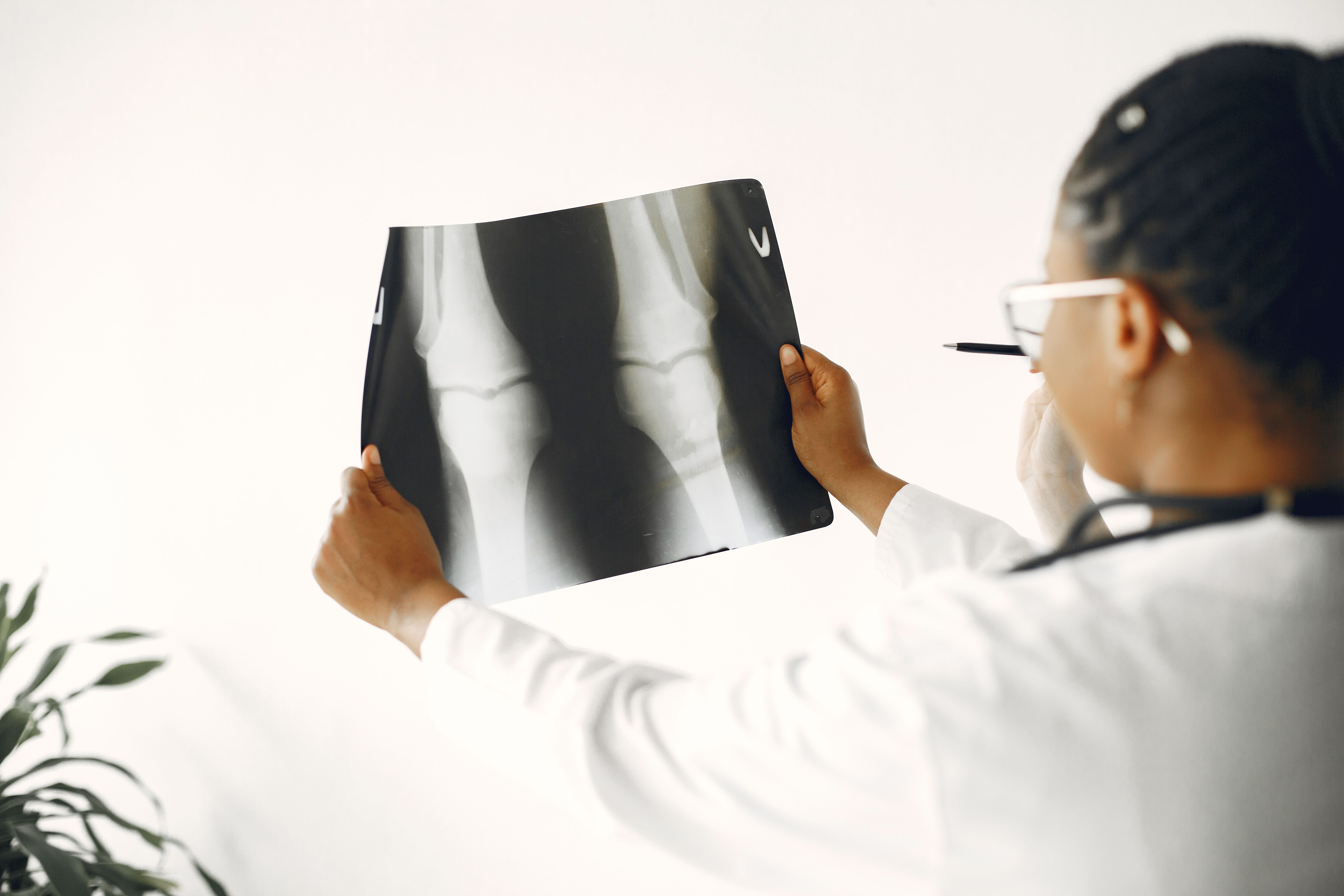
An MRI can provide useful information about the meniscus, including the location and pattern of a tear. However, a scan is not a verdict on what treatment you need. Some meniscal changes are found in people whose main symptoms have another cause, particularly when age-related changes affect the knee.
Ask how the imaging findings relate to your symptoms and physical examination. If the scan shows a tear, does its position explain the pain you experience? Are the ligaments, cartilage and other structures also involved? A specialist should help connect the picture on the screen with what happens when you walk, bend or turn.
This approach prevents a common mistake: treating an image rather than the person. A visible abnormality may be important, but the decision about treatment should reflect the full clinical picture.
Understand Your Actual Options
A meniscus tear does not automatically require an operation. Depending on its type, your symptoms and the condition of the rest of the knee, treatment may begin with activity modification, physiotherapy and appropriate pain management. If surgery becomes a reasonable option, the discussion may include repairing the torn tissue or removing a small damaged portion.
The distinction matters because retaining healthy meniscal tissue can help preserve its role in distributing pressure across the joint. However, repair depends on factors such as the tear’s location, shape and healing potential. Some tears are suitable for stitching, while others are not. The operation with the shortest initial recovery is not necessarily the option that best fits every injury.
Ask your specialist to explain why a particular treatment is suitable for your knee and what the alternatives would involve. You should understand the purpose of the proposed approach, its limitations and how success will be assessed.
Turn Advice Into A Plan

Even a sound treatment recommendation can become difficult to follow if it does not account for your routine. Someone working from home may be able to organise regular rehabilitation sessions more easily than a person whose job involves long hours standing or frequent stair climbing.
Before leaving the consultation, make sure you understand the practical next steps. These questions can help:
● Activity: Which movements should you limit, and what can you continue safely?
● Rehabilitation: What exercises are appropriate, and when should they progress?
● Daily routine: Will work, commuting or household responsibilities need to change?
● Review: When should improvement be expected, and what should prompt an earlier appointment?
If surgery is recommended, ask about recovery restrictions before committing to a date. Arranging help at home and adjusting work responsibilities beforehand can make recovery easier to manage.
Recognise The Exceptions
Not every knee problem can wait for a routine appointment. A knee that becomes physically locked or cannot fully straighten after an injury may require prompt assessment. Seek urgent medical care if you cannot bear weight, have severe pain or cannot bend or straighten the joint. Significant swelling after an injury also warrants medical attention, particularly when accompanied by other concerning symptoms.
For less urgent problems, persistent pain, recurring swelling or repeated catching are good reasons to arrange an assessment rather than repeatedly testing the knee and hoping it settles. A symptom that disappears during rest but returns every time you resume an activity deserves attention if it continues to limit your daily life.
The most useful outcome of a specialist consultation is not necessarily a prescription for surgery or an immediate solution. It is a clearer explanation of what is happening, what can reasonably be done about it and what each option asks of you. Arrive with specific examples, ask how the findings relate to your activities, and make sure you understand the next steps. That way, you leave with more than a diagnosis: you leave with a practical plan for getting your knee back to doing its job.