
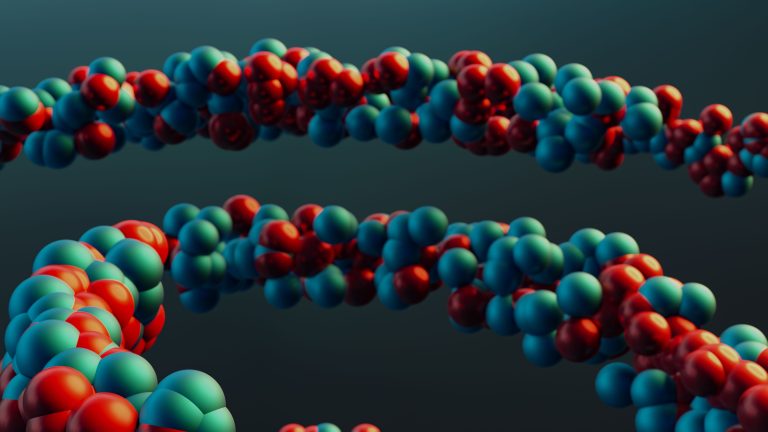
Digestive wellbeing is not something most of us ever really give a second thought to, until we start to experience problems. A food or drink may start to disagree with us, we find ourselves unable to process something that we normally would be able to, or we get recurrent digestive issues for no apparent reason. The lining of the gut is working 24/7, accepting what needs to be absorbed and keeping out what doesn’t.
Peptides are a focus of study because it’s believed some could affect the cellular mechanisms that preserve this barrier, which could deepen understanding of the interaction between these small chains of amino acids and the health of the gut lining.
BPC-157 and Gut Barrier Integrity: What Are Researchers Investigating?

The lining of the gastro-intestinal tract is comprised of cells that are divided by separate structures which allow the passage of certain substances in and out of this lining tissue. If this barrier is damaged, inflammation and irritation can become more difficult to control. A 2024 review of intestinal barrier impairment, preservation, and repair describes the barrier as a coordinated system that includes mucus, the intestinal epithelium, microbiota, and immune cells.
BPC-157 peptide has garnered attention on lab due to pre-clinical data that shows it’s affinity to safeguard and heal gastrointestinal tissues through growth of new blood vessels, cells and tissues. This means it could potentially be a reliable alternative to helping reduce ulcerations, and heal fistulas or anastomoses. But it is important to only select Bpc 157 Canada products that have shown a reasonable safety profile for sustainable results.
BPC-157 and TB-500: Can Alternate Repair Mechanisms Shed Light on Mucosal?
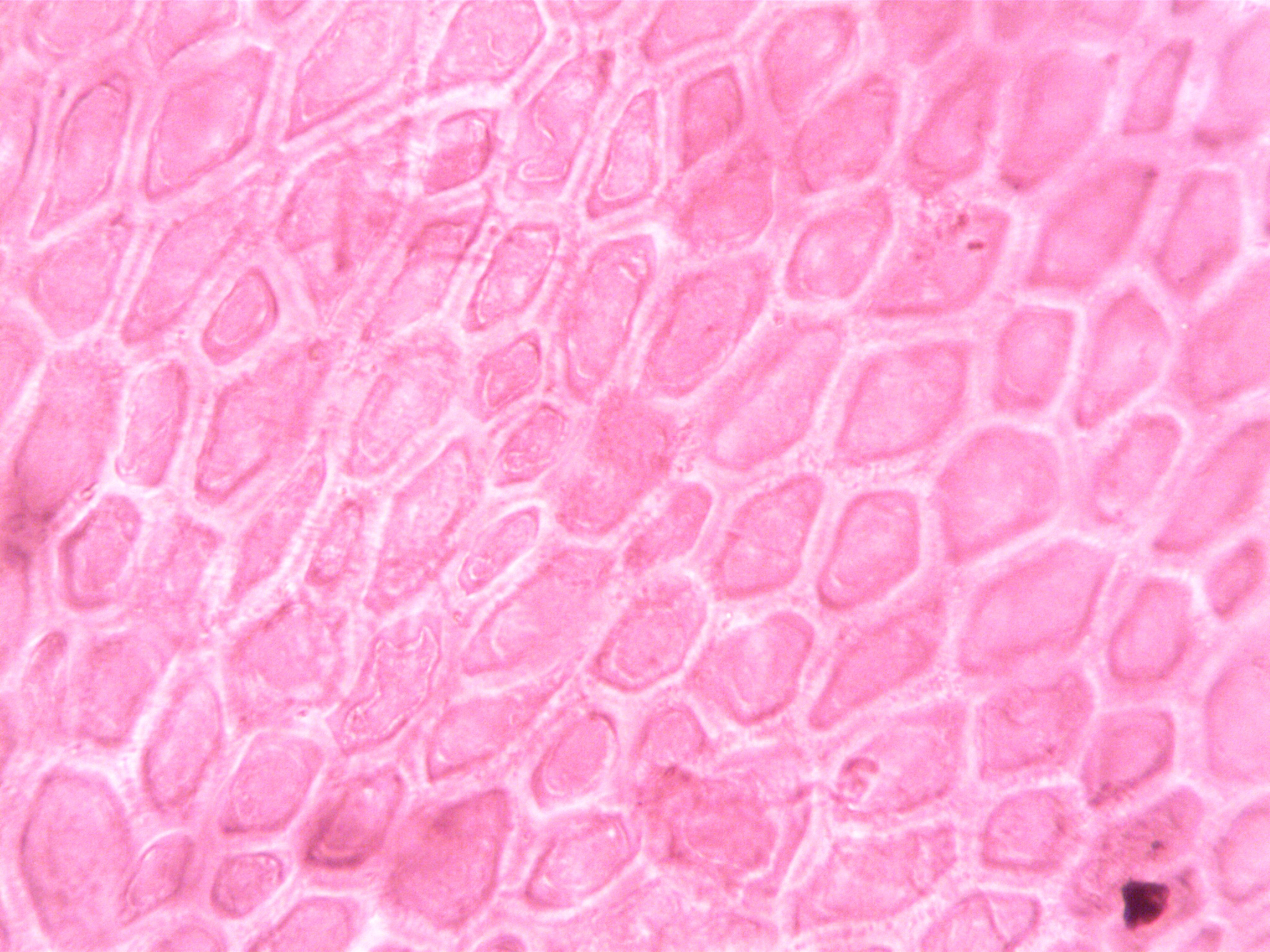
While the gut lining and other connective tissues have very different roles in the body, they both use the same general cellular processes to keep tissue healthy and repair any damage. This may be why scientists are testing peptides involved in different pathways, each with their own possible function in protecting and repairing tissue.
The BPC-157 study is focused on gut protection and healing, and the thymosin beta-4 research is centered on cell migration and tissue regeneration. This sets up an interesting question: Will a peptide that has a different mechanism of action provide the same benefits in tissue repair? However, establishing whether such effects are complementary requires further research.
But, the application of a BPC-157 and TB-500 combo can theoretically support mucosal lining repair, but the benefit is driven almost entirely by BPC-157. Just because one tissue or compound shows specific results, it doesn’t mean it will translate to another tissue or compound.
DSIP, Sleep, and Mucosal Health: Understanding the Recovery Connection
Your ability to perform routine tasks may suffer after back-to-back nights of poor sleep. Apart from executing essential job functions, you require sleep for immune regulation and other processes necessary to keep your tissues functioning optimally.
DSIP/ delta sleep-inducing peptide has shown potential in treating sleeping conditions and re-vegetating the lining of the gut. If you’ve got excess distress and issues falling asleep, well-researched peptides can calm your nervous systems allowing you to sleep with ease.
However, numerous other variables such as stress, meal, medication and wellbeing have a role to play in your sleep. A much faster, effective return to quality sleep is possible once you identify the root of the problem.
Peptide Research Materials: Why Identity, Purity, and Storage Matter
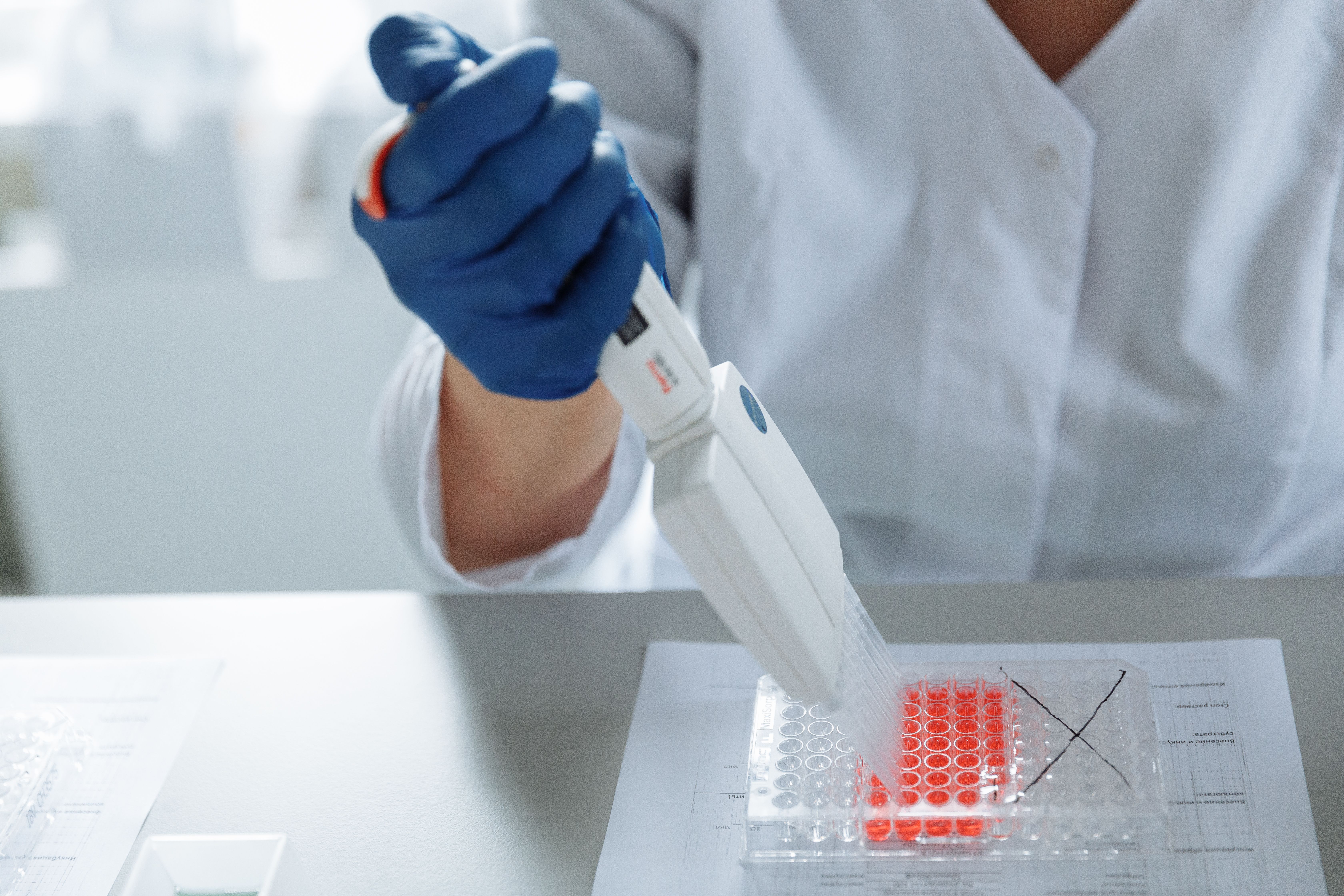
Methods and materials are only as good as the research. Recording methods and materials while doing peptide and mucosal biology experiments enable laboratories to see what they’re testing and whether they are able to replicate their experiment.
Useful quality checks include:
- Identity and quantity: Compare labelled compound and quantity to batch records.
- Analytical testing: Review the methods of identity and purity testing, such as high-performance liquid chromatography (HPLC).
- Recording info: Consistently follow the producer instructions and associated SDS for receiving, handling and storing.
Material analysis might be accompanied by a certificate of analysis. The methodology and the quality of the testing laboratory must be taken into account. High purity materials does not automatically mean safe or effective for use in human. Material should be looked at in the context of its use in the laboratory, not to treat oneself.
Ultimately, sound peptide research and clinical decision-making come down to asking better questions. The complex biochemistry of the mucosal membrane requires a range of experimentation, each explaining only parts of the puzzle. Peptide brands that emphasize reproducible science, thoughtful analysis and openness to new ideas help ensure the conversation remains rooted in fact – and not fantasy. We can only advance by recognizing the limits of every new breakthrough.