

When most people think about coeliac disease, they think about digestive discomfort, gluten avoidance, and gut health. Rarely does the conversation shift toward the heart.
et a growing body of clinical evidence suggests that individuals living with coeliac disease and other autoimmune inflammatory conditions carry a measurably elevated risk of cardiovascular complications.
This connection is not coincidental — it is rooted in the biology of chronic inflammation, nutritional deficiency, and immune dysregulation. Understanding this link could be the difference between early intervention and a preventable cardiac event.
The Inflammation-Heart Connection in Autoimmune Disease

Autoimmune conditions, by their very nature, involve the immune system mounting an attack on the body’s own tissues. In coeliac disease, this attack is triggered by gluten and primarily targets the small intestine. However, the inflammatory cascade that follows does not stay neatly contained within the gut.
Systemic inflammation — the kind that circulates through the bloodstream — has long been identified as a key driver of atherosclerosis, the buildup of plaques in arterial walls that underlies most forms of heart disease.
Research published in peer-reviewed cardiology and gastroenterology journals has found that individuals with untreated or poorly managed coeliac disease show elevated markers of systemic inflammation, including C-reactive protein and homocysteine.
Elevated homocysteine, in particular, is a well-established independent risk factor for coronary artery disease and stroke.
This is compounded by the malabsorption of B vitamins — especially B6, B12, and folate — which are essential for keeping homocysteine levels in check.
A gut that cannot absorb nutrients properly is, in effect, also a heart that is not being adequately protected.
Nutritional Deficiencies That Quietly Strain the Heart
Beyond inflammation, the nutritional consequences of coeliac disease create a secondary layer of cardiovascular risk. Iron deficiency anaemia — extremely common in undiagnosed or undertreated coeliac patients — forces the heart to work harder to deliver oxygen to tissues.
Over time, this increased cardiac workload can contribute to structural changes in the heart muscle. Deficiencies in magnesium, selenium, and vitamin D, all frequently observed in coeliac patients, are also associated with arrhythmias, hypertension, and impaired cardiac function.
These are not minor inconveniences; they are physiological stressors that accumulate silently over years.
Who Should Be Concerned and When to Act
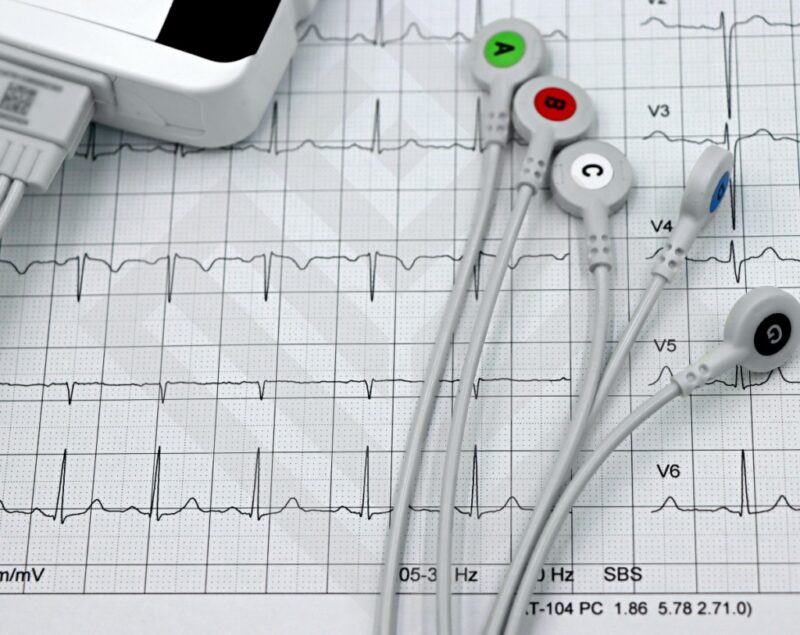
The question of when to begin cardiovascular screening is one that many patients with autoimmune diagnoses never think to ask their gastroenterologist or rheumatologist.
Traditionally, heart disease screening has been framed around age, family history, smoking, and metabolic risk factors like diabetes and obesity.
While these remain critically important, clinicians are increasingly recognising that a diagnosis of coeliac disease — or related conditions such as type 1 diabetes, thyroid autoimmunity, or inflammatory bowel disease — should itself prompt a conversation about cardiac risk assessment.
Heart disease screening encompasses a range of assessments — from blood pressure monitoring and lipid panels to electrocardiograms and advanced imaging — that can detect early signs of cardiovascular disease before symptoms appear.
For patients managing autoimmune conditions, initiating this conversation earlier rather than later is not an overreaction; it is sound, evidence-informed preventive medicine.
Cleveland Clinic Abu Dhabi provides accessible, expert-led guidance on what cardiac screening involves and why proactive evaluation is a cornerstone of long-term health management.
The Role of the Gluten-Free Diet in Reducing Risk
For individuals with coeliac disease, strict adherence to a gluten-free diet remains the primary treatment and the most powerful tool for reducing systemic inflammation.
Studies have shown that after sustained dietary compliance, inflammatory markers decrease, intestinal healing progresses, and nutritional absorption improves.
Some research suggests that cardiovascular risk markers also improve following long-term gluten-free adherence, though the evidence is still evolving.
The key takeaway is that dietary management and cardiac monitoring are not mutually exclusive — they are complementary strategies that together offer the best protection.
For those navigating the complexities of dietary change alongside health management, visiting a specialist clinic for your health journey can provide structured, personalised support that goes beyond generic advice.
Integrating nutritional counselling with cardiovascular monitoring creates a more complete picture of a patient’s overall health trajectory.
Navigating the Healthcare System: Understanding Your Care Team

One of the practical challenges patients face when managing a condition that spans multiple organ systems is understanding who to see and when.
A gastroenterologist manages the gut; a cardiologist manages the heart; a dietitian manages nutrition.
But who coordinates the bigger picture? This is where patient education and self-advocacy become essential. Knowing the qualifications and roles of different healthcare providers helps patients ask the right questions and seek the right referrals.
For those unfamiliar with the alphabet soup of medical credentials, a helpful resource explaining what medical titles like MD, DO, PA, NP, and MA mean can demystify the care team and empower more informed conversations.
Advocating for Yourself in Clinical Settings
Patients with coeliac disease often spend years navigating misdiagnosis and delayed treatment before receiving the correct diagnosis.
This experience can breed a kind of medical fatigue — a reluctance to raise additional concerns or push for further testing.
But when it comes to cardiovascular health, hesitation can carry real consequences.
Patients should feel empowered to ask their treating physician directly: “Given my autoimmune diagnosis, should I be having regular cardiac assessments?” The answer, in most cases, should be yes — and the earlier that conversation begins, the better.
Cleveland Clinic Abu Dhabi: A Centre for Integrated Preventive Care
Cleveland Clinic Abu Dhabi stands at the forefront of preventive cardiovascular medicine in the region, offering patients access to world-class diagnostic tools and a multidisciplinary team of specialists.
Their approach to cardiac screening is not one-size-fits-all — it is tailored to individual risk profiles, including those shaped by autoimmune and inflammatory conditions.
For patients with coeliac disease or related diagnoses who have never had a formal cardiac evaluation, this represents an important and potentially life-saving step.
The clinic’s health library and patient resources are designed to make this information accessible, removing barriers between patients and the preventive care they deserve.
Conclusion: Connecting the Dots Between Gut and Heart Health
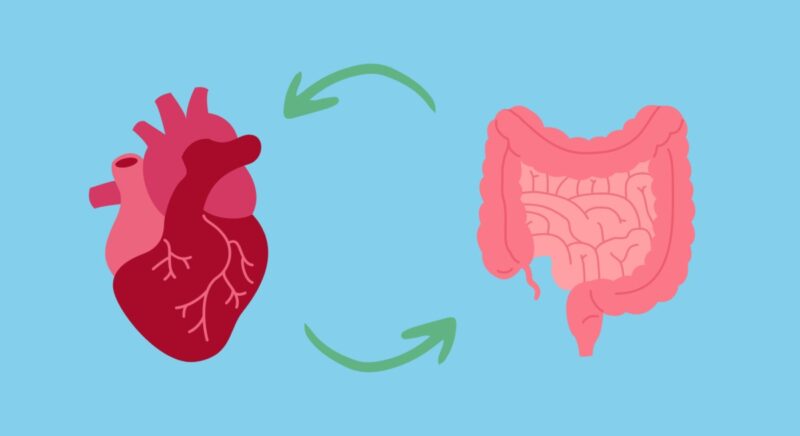
The relationship between coeliac disease and cardiovascular risk is not a fringe theory — it is a clinically recognised connection that deserves far greater attention in both patient education and clinical practice.
Chronic inflammation, nutritional deficiencies, and immune dysregulation do not respect organ boundaries.
They affect the whole body, including the heart. Patients living with coeliac disease and similar autoimmune conditions owe it to themselves to ask harder questions, seek broader assessments, and engage with preventive care strategies that match the full complexity of their health.
The heart, after all, is not separate from the gut — it is part of the same vulnerable, interconnected system.