

As winter approaches in Northern Virginia, icy parking lots, wet store entrances and slick steps make falls more likely. They happen year-round too, on uneven sidewalks, poorly lit stairs and job sites. A fall can seem minor at the time, but the force of landing can strain the back and neck, jar the hips and injure the shoulders and wrists that try to break the fall.
Common Injuries From a Fall

- Lower back strain or sprain
- Tailbone pain from landing in a seated position
- Hip pain and bruising
- Shoulder and wrist injuries from bracing against the ground
- Neck strain from the head being jolted on impact
- Disc injuries in the lower back
- Knee pain from a twist or direct landing
When to Go to the Emergency Room First
Some falls need immediate medical care. Go to an emergency room after a fall if:
- You hit your head and feel confused, dizzy, drowsy or sick, or have a worsening headache
- You can’t put weight on a leg, or a limb looks deformed
- Pain is severe or keeps getting worse
- You take blood thinners and hit your head, even if you feel fine
- Numbness, tingling or weakness appears in the arms or legs
Older adults should take any fall involving a head strike especially seriously.
When a Chiropractor Can Help
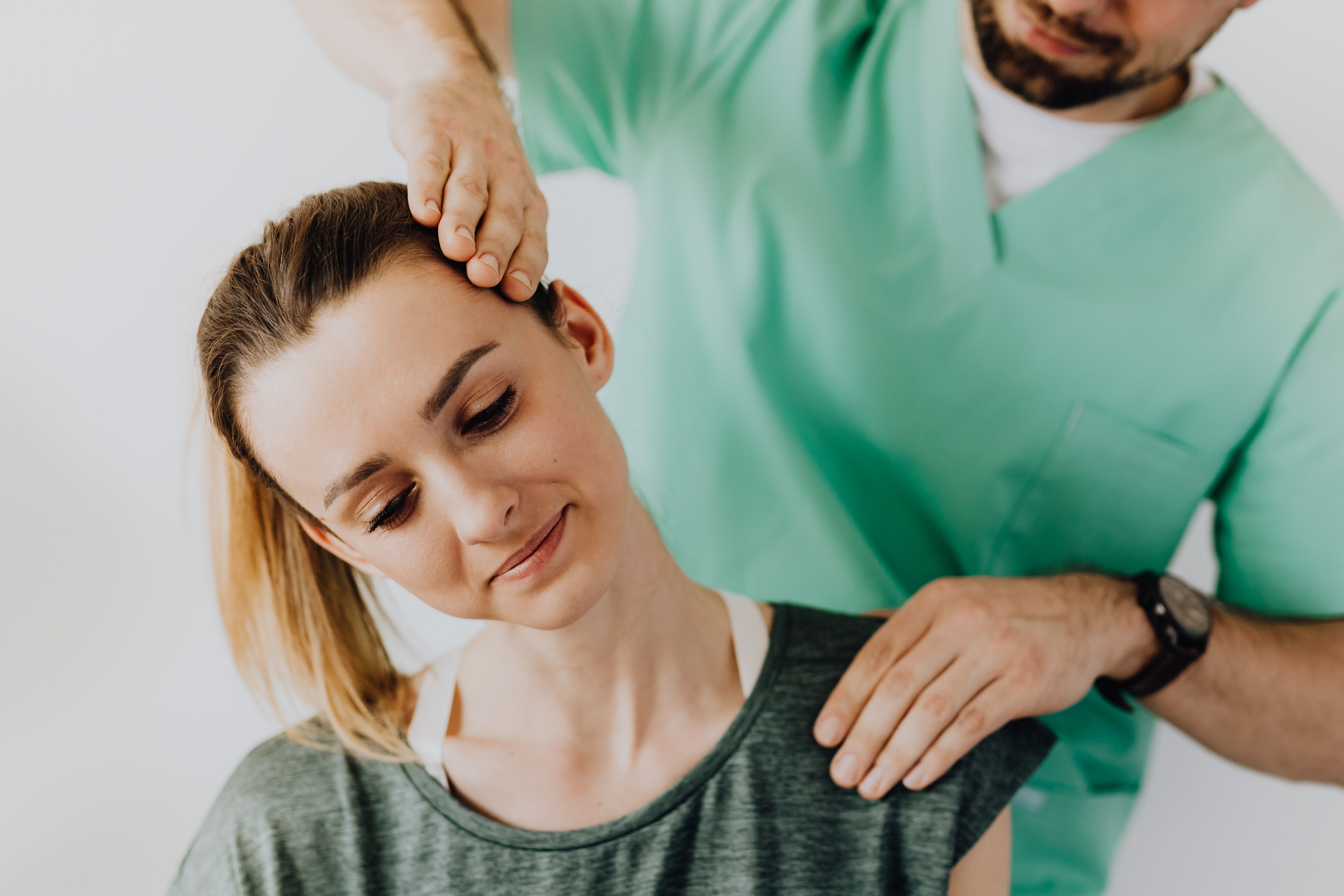
Once fractures and other serious injuries have been ruled out, a chiropractor can help with the neck, back and joint pain that often lingers after a fall. Pain that hasn’t eased after a few days, stiffness that limits movement, or pain that travels into the arms or legs are all good reasons to book an evaluation.
What Treatment May Involve

Care starts with a detailed evaluation of how you fell and which areas were affected. Depending on the findings, treatment may include:
- Chiropractic adjustments to restore movement in the spine and affected joints
- Soft tissue therapy for strained muscles
- Exercises to rebuild strength and stability
- Balance and strength work to help reduce the risk of another fall, especially for older adults
Keep Track of Your Recovery
After a fall, it helps to write down where and how it happened, note when each symptom started and keep copies of paperwork from every medical visit. If the fall happened on someone else’s property or at work, an attorney can explain your options on that side.
Lowering Your Risk This Winter
- Wear shoes with good grip, and change into indoor shoes once inside
- Use handrails on stairs and steps
- Clear and salt walkways early, before snow is packed down
- Keep entryways, stairs and parking areas well lit
- Take shorter, slower steps on surfaces that might be icy
Care After a Fall
If pain from a fall hasn’t settled after a few days, or it’s affecting how you move, sleep or work, an evaluation can help you understand what’s going on. A slip and fall chiropractor in Northern Virginia can check for injuries to the spine and joints, refer you for imaging if needed and build a plan to help you recover safely through the winter months.
This article is for general information only and isn’t legal or medical advice. Anyone injured in a fall should be evaluated by a qualified healthcare provider.