
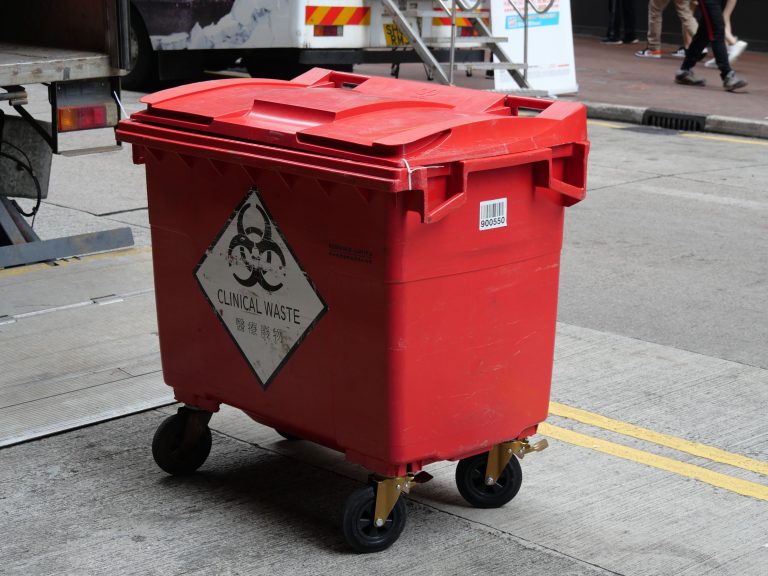
Efficient medical waste disposal reduces costs for hospitals significantly. This process enhances regulatory compliance and improves waste segregation practices, ultimately leading to financial savings.
Streamlined waste management can minimize operational downtime, enabling hospitals to concentrate more on patient care, which boosts overall productivity.
By adopting responsible waste disposal practices, hospitals protect local communities from pollution. This approach safeguards public health against hazardous waste contamination.
Facilities that utilize proper disposal methods contribute actively to sustainability efforts, achieving substantial reductions in waste generation and their carbon footprints.
Understanding and following local and federal medical waste regulations is essential for hospitals. This diligence helps them avoid heavy fines and maintain compliance through consistent training and audits.
Effective waste management reduces legal risks for healthcare facilities. It lowers the possibility of lawsuits, allowing professionals to focus more on patient-centric care.
When waste management is handled professionally, it builds trust among patients and staff, enhances satisfaction, and significantly alleviates workplace stress for healthcare teams.
Outstanding Efficiency: How Streamlined Waste Disposal Saves Time and Money
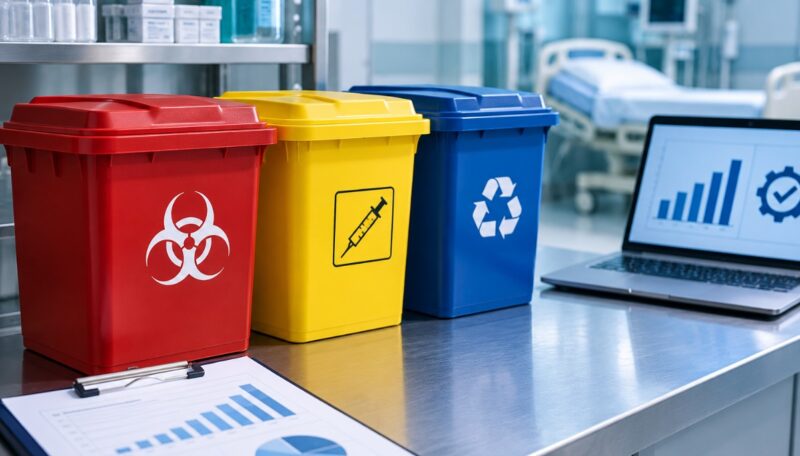
Cutting Costs While Ensuring Compliance
In healthcare, every dollar matters, making the efficiency of medical waste disposal crucial. Hospitals juggle numerous financial pressures while navigating complex regulatory landscapes. A streamlined waste disposal system can lead to significant cost reductions. Choosing a service provider that specializes in regulatory compliance and effective waste segregation is a smart investment.
For instance, implementing waste tracking can yield critical insights. Facilities that use monitoring systems often report less unnecessary waste, which directly correlates with lower costs. Inaccurate waste sorting can lead to hefty fines or added processing fees. Efficient systems not only cut costs but also ensure compliance, mitigating the risk of penalties. It’s truly a win-win.
How Efficient Disposal Reduces Operational Downtime
Every moment a hospital maintains operational efficiency translates to better patient care. Proper waste disposal facilitates quicker cleaning and sanitation processes. Conversely, poor waste management can result in delays. Scheduling issues may arise for cleaning crews lacking clarity about waste locations, leading to chaos. An effective waste management system can cut down on operational downtimes significantly.
Moreover, sorting waste right at the source makes a difference. When staff understand exactly where to send materials, confusion diminishes. Teams are able to dedicate their focus to what really matters – patient care. Ultimately, effective waste disposal enhances workflows and boosts productivity.
Environmental Impact: The Positive Role of Responsible Disposal Practices

Protecting Communities Through Safe Waste Management
Healthcare facilities exist within communities, and their waste practices can greatly impact the local environment. Responsible medical waste disposal aligns with laws and promotes community stewardship. Hospitals must recognize their responsibility to safeguard public health. Failing to manage waste appropriately can lead to severe repercussions, including pollution and health risks.
It’s essential to understand the potential dangers of hazardous waste. Contaminated materials can leach into the local ecosystem, endangering wildlife and affecting water resources. By adopting safe disposal practices, hospitals contribute positively to their communities, creating environments that prioritize health for both patients and residents alike.
How Proper Disposal Contributes to Sustainability Goals
Many institutions are now incorporating sustainability into their core missions. By focusing on proper disposal practices, healthcare organizations not only avoid fines but also engage in environmental conservation. It’s critical for hospitals to embrace green practices throughout their operations, including efficient medical waste management. Data shows that facilities implementing rigorous disposal systems experience significant reductions in their carbon footprints.
So far, hospitals prioritizing eco-friendly waste management achieve up to 40% less waste generation.
Engaging in recycling initiatives furthers sustainability goals. Hospitals can partner with local recycling programs to ensure safe disposal of materials not suited for landfills, especially in environmentally sensitive areas like Houston. It goes beyond compliance; it’s a dedication to future generations.
Compliance Excellence: Working through Regulations with Confidence
Understanding Local and Federal Guidelines
Navigating the complex landscape of healthcare regulations can be challenging, especially as medical waste disposal requirements continue to evolve. Healthcare facilities must stay informed about local, state, and federal guidelines to maintain compliance and protect public health. For facilities seeking medical waste disposal Houston services, understanding these regulations is essential. Regular staff training helps ensure that employees remain aware of updated requirements and follow proper waste-handling procedures.
Noncompliance can result in significant fines and reputational damage. Conducting regular audits helps healthcare facilities identify potential issues before inspections occur. These reviews should also include an assessment of waste disposal contracts, handling procedures, and safety protocols to ensure they meet current regulatory standards and industry best practices.
To maintain compliance, healthcare facilities should:
- Review local and state medical waste disposal regulations regularly.
- Provide ongoing training to keep staff informed about updated requirements.
- Conduct third-party audits to identify compliance gaps and opportunities for improvement.
Taking a proactive approach to regulatory compliance helps hospitals and other healthcare providers avoid costly penalties, protect their reputations, and safeguard patient and staff well-being.
How Proper Disposal Minimizes Legal Risks
Legal risks are a constant presence in the healthcare sector. Compliance isn’t solely about legal obligations; it’s also about shielding the facility from litigation and reputational harm. Ineffective waste practices can trigger lawsuits, costing considerable resources and time. Active, proactive measures in managing medical waste truly make a difference.
Choosing a reliable waste management partner offers peace of mind. Facilities prioritizing collaborations with experienced disposal experts often encounter fewer legal challenges. Effective waste management practices reduce exposure to liability, allowing hospitals to keep their focus on patient-centric care.
- Select a licensed waste disposal provider.
- Implement routine compliance training for all staff.
- Document waste disposal processes diligently.
All these initiatives contribute to operational integrity. Less time spent worrying about compliance translates to more energy for providing quality healthcare services.
Peace of Mind: The Psychological Benefits of Professional Waste Management
Building Trust with Patients and Staff
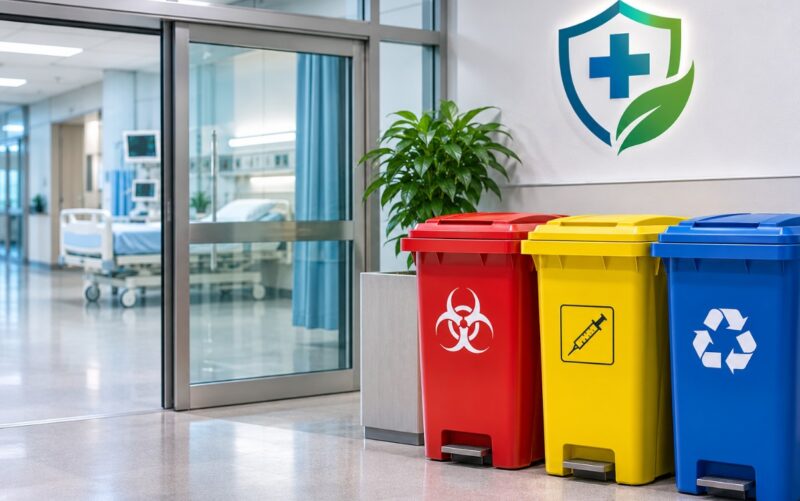
Trust is a vital component in healthcare, influencing a facility’s reputation. Both patients and staff need assurance that their environments are not only clean but also safe. Efficient medical waste management nurtures that trust. Facilities that prioritize proper disposal safeguard public health while demonstrating their commitment to maintaining high standards in all operations.
As patients gain confidence in a hospital’s waste management capabilities, overall satisfaction improves. Staff members experience less anxiety about the potential hazards of improper waste handling, fostering higher morale. Professional waste management plays a significant role in creating an environment conducive to healing for both patients and staff alike.
Mitigating Stress Through Expert Support
Stress in healthcare settings is not just common; it’s expected. Amid constant pressure to deliver quality care, staff juggle numerous responsibilities. Having a professional medical waste management partner can alleviate a significant area of concern. By entrusting the challenging task of waste disposal to experts, operations are smoother.
Facilities can refocus on providing outstanding care without the overshadowing worry of waste management. Reduced stress correlates directly with improved job satisfaction. Hospitals prioritizing effective waste disposal systems empower their teams to concentrate on patient care. The physiological benefits of this approach are remarkable.
Stress-free work environments yield a 20% increase in staff productivity – a compelling case for prioritizing waste management.
Investing in expert support leads to better employee performance and improved patient outcomes, creating positive ripples throughout the entire medical ecosystem.
FAQ
What types of medical waste require special disposal methods?
Medical waste is typically categorized into several types, including hazardous, infectious, and non-hazardous waste. Items such as sharps, contaminated materials, and pharmaceuticals necessitate specific disposal protocols to reduce risks to public health and the environment. For sharps, the CDC outlines specific disposal protocols to protect workers and prevent injuries.
How can hospitals maximize their efficiency in waste disposal?
Implementing a system that emphasizes on-site waste segregation is essential. Regular staff training on disposal methods, coupled with data analytics for tracking waste, can streamline processes and ultimately lower costs while improving compliance.
What credentials should a medical waste disposal provider have?
Selecting a provider with the necessary licensing and certifications is crucial. Accreditation from recognized waste management organizations ensures that disposal practices meet standards and comply with local and federal regulations.
Are there specific technologies that can enhance waste management?
Indeed, technologies such as waste tracking software, automatic waste segregation systems, and mobile applications for monitoring compliance can greatly enhance waste management operations. These tools provide timely insights that help in optimizing waste disposal processes.
What role does community engagement play in waste disposal practices?
Community engagement holds significant importance. Hospitals that actively involve local stakeholders in their waste management initiatives cultivate stronger relationships and transparency, underscoring their commitment to public health and environmental responsibility.
How do hospitals typically handle recyclable medical waste?
Recyclable medical waste must be managed according to strict guidelines. Many hospitals partner with specialized recyclers capable of safely handling materials like plastics and metals, ensuring proper processing without compromising safety.
What are the financial implications of non-compliance with waste disposal regulations?
Non-compliance can result in substantial fines, legal fees, and tarnished hospital reputations. Such financial repercussions can divert crucial funding away from patient care, making adherence to regulations not just prudent but a necessary long-term investment in operational integrity.
How can effective waste management improve patient satisfaction?
Patients feel more assured and satisfied in environments that demonstrate a commitment to cleanliness and safety through proper waste management. This enhanced perception directly contributes to better patient experiences and can serve to improve overall care outcomes.