

A gap is easy to point to and less straightforward to plan around. Closing the visible space changes the relationship between the teeth on either side, and sometimes involves teeth farther along the arch. The result has to be considered as an arrangement, not just an empty area to fill.
For readers exploring cosmetic dentistry in London, this guide compares practices offering movement, additive treatment or both for gaps between existing teeth.
Keeping a gap is also a valid preference. Treatment begins with understanding the teeth and deciding whether a change is wanted and appropriate.
What Changes When a Space Closes
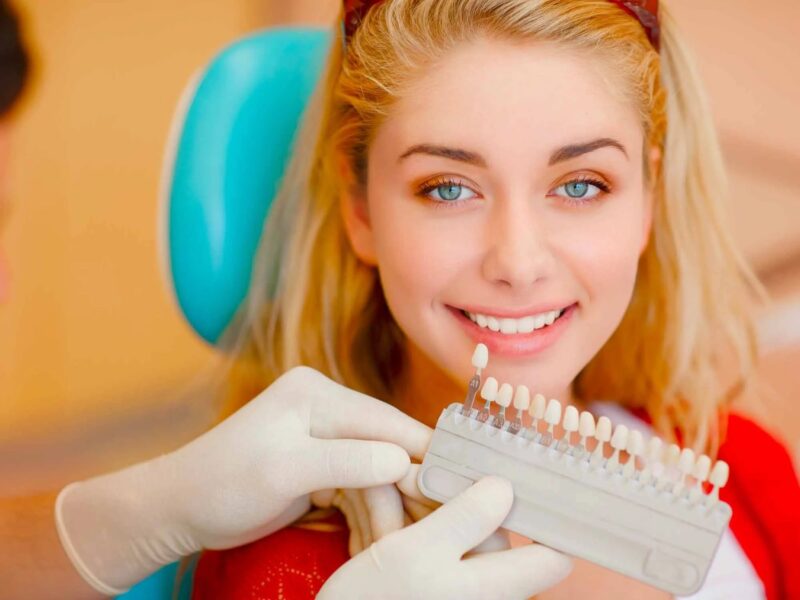
There are two useful physical ideas to keep in mind. Orthodontic treatment moves teeth. Bonding adds material and can change their width or outline.
Veneers may also alter the visible shape, with a different extent of restoration. These approaches can produce a similar impression of less space while involving very different work.
Consider two neighbouring teeth with a gap between them. Adding width on their facing sides changes their proportions. Moving them together changes their positions and may affect where space sits elsewhere.
This is a way to understand the discussion, not a method for choosing treatment from a photograph. The cause of the spacing, the gums and the bite all need clinical assessment. A proposal should explain the arrangement being planned, including the teeth that would remain unchanged.
The Selection and Its Priorities
The shortlist covers London dental practices with verified orthodontic or additive cosmetic options relevant to gaps. The main considerations are the proposed movement or shape change, the proportions of the teeth and the care needed to maintain the result.
The order develops these choices through different clinical capabilities, from comparing routes to considering combined treatment.
It does not measure which clinic closes gaps most successfully. Each inclusion offers a useful basis for a consultation, with suitability and treatment extent determined individually.
Top 7 Cosmetic Dental Clinics in London for Tooth Gaps
1. MaryleboneSmileClinic
For a discussion of both tooth movement and additive treatment within cosmetic dentistry in London, MaryleboneSmileClinic offers Invisalign and composite bonding.
The availability of these routes makes it a useful starting point when the visible gap has not yet been translated into a treatment plan.
The first comparison concerns what would physically change. If bonding is proposed, establish which teeth would gain material and how their new widths would relate to their lengths.
If alignment is proposed, understand the intended movement and how the bite enters the plan. These explanations should refer to your examination rather than a general preference for one technique.
A smaller visible space does not have to mean identical teeth. You may want to retain a familiar difference in shape or avoid making two front teeth appear too broad.
Describing that preference gives the clinician something specific to assess. The useful outcome is an agreed arrangement, with a clear explanation of the work needed to reach it.
2. Sensu
Sensu offers Invisalign and distinguishes different extents of composite bonding, from edge work to partial and fuller coverage. That distinction matters when the phrase closing a gap begins to include a change in the overall shape of the teeth.
A small addition beside a space and a fuller redesign of a visible surface are different proposals. The material may have the same name, but the coverage and intended effect need to be understood.
Sensu’s range of bonding options gives a patient a reason to discuss the precise area of treatment, alongside movement where relevant.
Look at the neighbouring teeth as a group when considering the proposal. A wider central tooth can alter the apparent balance of the teeth beside it, even when the gap itself looks reduced.
The dentist can explain the clinical limits, while you can describe whether the planned outline feels consistent with the smile you want to keep. More coverage is a choice with implications, not an automatic refinement of a smaller addition.
3. Bow Lane Dental
A space can disappear in a proposed design while the teeth beside it become broader than you expected. That is why seeing the new outline matters.
Bow Lane Dental includes a Trial Smile in its smile-makeover planning, alongside services for straightening and repair.
Use a trial to consider the neighbouring teeth together, within the limits explained by the clinician. The question is how the proposed width relates to length and to the rest of the visible smile.
A patient can prefer less space without wanting every difference in shape removed. Those preferences can be expressed in ordinary language and discussed against the clinical options.
The practice’s straightening provision also keeps movement in the conversation where appropriate. A restorative trial does not settle whether adding material is the right route for a gap.
The examination needs to establish that first. Once a suitable proposal is being considered, the trial has a defined job: helping the patient judge the shape they would be choosing and communicate any reservations before proceeding.
4. Orthosmile
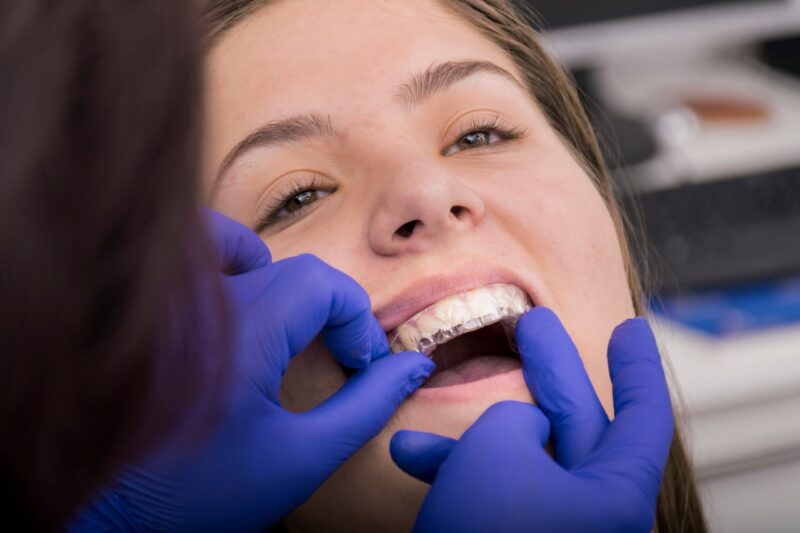
Orthosmile offers adult orthodontic care through fixed, lingual and clear-aligner approaches. For gaps, this provides a route focused on moving teeth rather than changing their visible width with restorative material.
The relevant discussion concerns where the teeth would finish. A plan may need to consider more than the two teeth immediately beside the space, so the clinician should explain the intended arrangement across the arch and how the teeth meet.
Seeing the overall movement helps a patient understand why treatment scope cannot always be chosen by the size of the most noticeable gap.
Appliance choice then follows the clinical options and practical considerations. If several routes are appropriate, compare their everyday demands with the treating team.
Retention belongs in the same conversation: maintaining an orthodontic arrangement requires a plan after active movement ends.
Orthosmile’s breadth of appliance provision is useful here because the initial question can remain about the intended movement before narrowing to a particular system.
5. UltraSmile
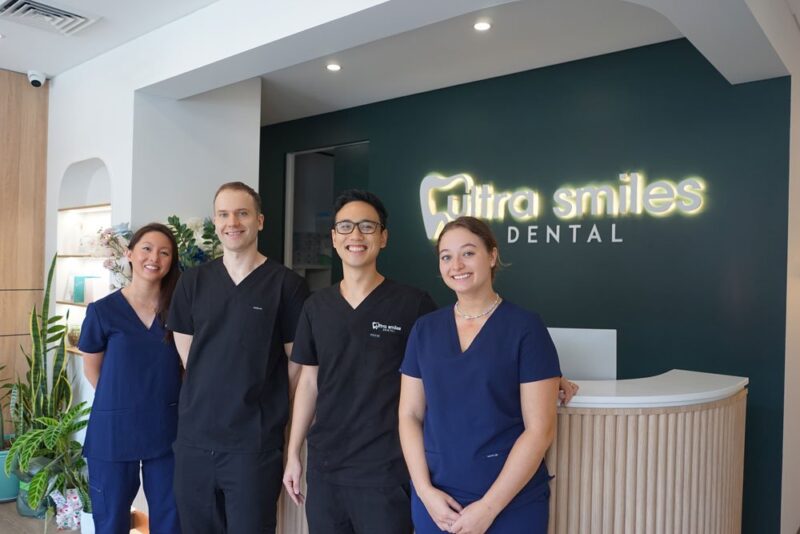
UltraSmile provides alignment alongside edge and surface bonding. This combination is relevant when a proposed result involves both repositioning teeth and refining their shape. The two processes can be discussed together without losing sight of their separate purposes.
For example, a plan might use movement to change the distribution of space and reserve an addition for a particular outline. Whether that is appropriate depends on assessment.
What the patient needs is an explanation of why each stage belongs, rather than an image in which all the changes appear to happen at once.
Establish when the appearance will be reviewed and whether any later addition remains optional until that point. That can be especially helpful if you are unsure how much reshaping you want.
A combined approach should have a clear reason for the combination, with the original teeth and the intended proportions still visible in the discussion. It should not become an assumption that every alignment case needs bonding afterwards.
6. Harley Street Dental Studio
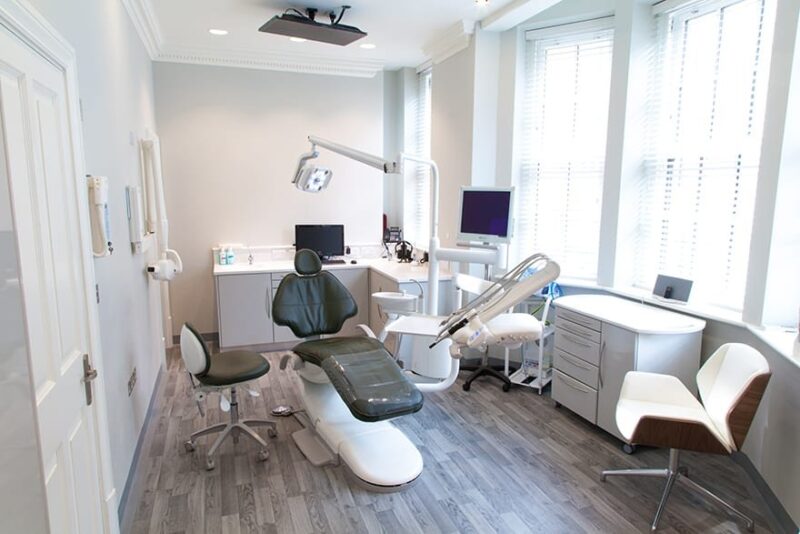
Harley Street Dental Studio describes Invisalign, bonding and veneers for relevant spacing concerns, with digital design within its veneer service. These options allow a discussion of both the planned arrangement and the extent of any restoration.
Veneers introduce a broader visible surface than a local addition beside a gap. If they are proposed, understand why that coverage is appropriate and what preparation would be involved.
An attractive outline on a screen cannot answer those clinical questions on its own. The comparison also needs to include any suitable alternatives and the implications of leaving the teeth as they are.
For the design discussion, consider where treated teeth will meet untreated neighbours. Apparent width, edge shape and colour can all influence how the space is perceived.
You do not need to ask for perfect uniformity to want a coherent result. State the differences you would like to retain as clearly as the gap you would like to change, then have the clinician explain what is achievable.
7. London Smile Clinic
London Smile Clinic offers bonding for spaces within a broader service that includes orthodontic treatment. It is a useful final option for considering how the proposed arrangement will work beyond the first visual impression.
Where material is added, the new outline should be discussed in relation to the neighbouring tooth and everyday cleaning. Where movement is planned, the retention arrangements need to be understood.
These are different forms of continuing care, and a combined plan may involve both. The dental team can explain the instructions appropriate to the actual treatment.
The patient also needs a clear way to describe the intended finish. A request to close the gap may leave uncertainty about whether a small space is acceptable, whether the adjacent teeth should change shape or whether the aim is broader redistribution.
Discussing those details before treatment gives the clinician a more useful brief and gives you a recognisable result to review afterwards. The empty space is only one part of that agreement.
When comparing proposals, sketch the change in words. Identify the teeth that would move, those that would receive material and the features you would like to preserve.
If two plans use different routes, ask the clinicians to explain what each is intended to achieve and where their limitations lie.
If the space is caused by a missing tooth rather than spacing between existing teeth, dental implants may also be discussed as a possible replacement option. A different method may reflect a different clinical judgement or a different interpretation of your preference.
Source note: Clinic orthodontic, bonding and veneer information, with British Orthodontic Society guidance on treatment and retention.