
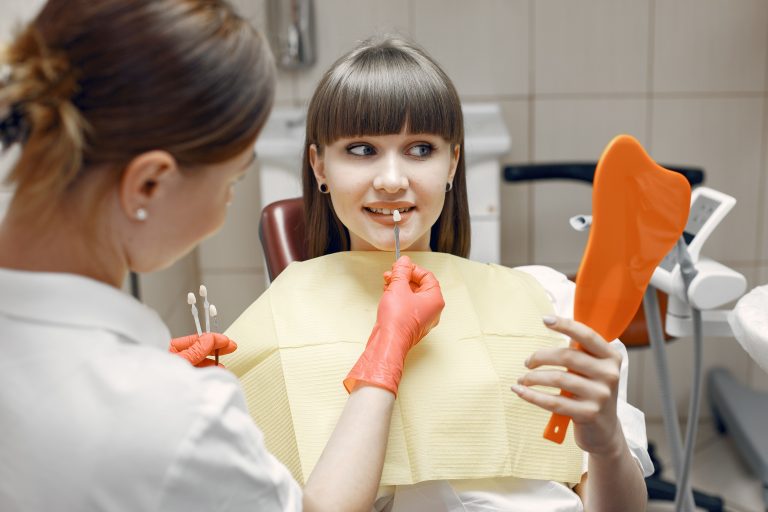
A brighter smile can change how you feel in photos, meetings and everyday conversations. But getting the result you want is not simply about choosing whiter teeth. The shape, colour and balance of your smile all matter, and the best approach depends on what you want to improve.
Before committing to a treatment, consider the options available and how they fit your teeth, gums and daily habits. Exploring the range of dental cosmetic dentistry services can help you understand which treatments address your concerns, from uneven edges to discolouration, without assuming that the most noticeable procedure is automatically the best choice.
Start With Your Main Concern
Look closely at what bothers you about your smile. Are your teeth stained despite regular brushing? Do you have a small chip on a front tooth, uneven edges or gaps that stand out when you speak? Each concern points towards a different solution, so identifying the problem first can prevent unnecessary treatment.
For example, someone with healthy, evenly shaped teeth that have yellowed over time may benefit from professional whitening. Someone with a chipped front tooth might need a more targeted repair. Treating both people with the same approach would ignore the reason each person sought help in the first place.
Compare Treatment Trade Offs
Cosmetic dental treatments differ in cost, maintenance, preparation and the changes they can achieve. Understanding these trade-offs is more useful than comparing before-and-after photographs alone.
Consider these common options:
● Professional whitening: Lightens natural tooth colour without changing tooth shape, but it will not correct chips or gaps and may cause temporary sensitivity.
● Dental bonding: Uses tooth-coloured material to repair small chips or reshape edges, often with limited removal of natural tooth structure. The material can stain or chip over time.
● Veneers: Cover the front surfaces of teeth to change their colour, shape or proportions. Some types require removing enamel, making the decision more involved than a simple whitening appointment.
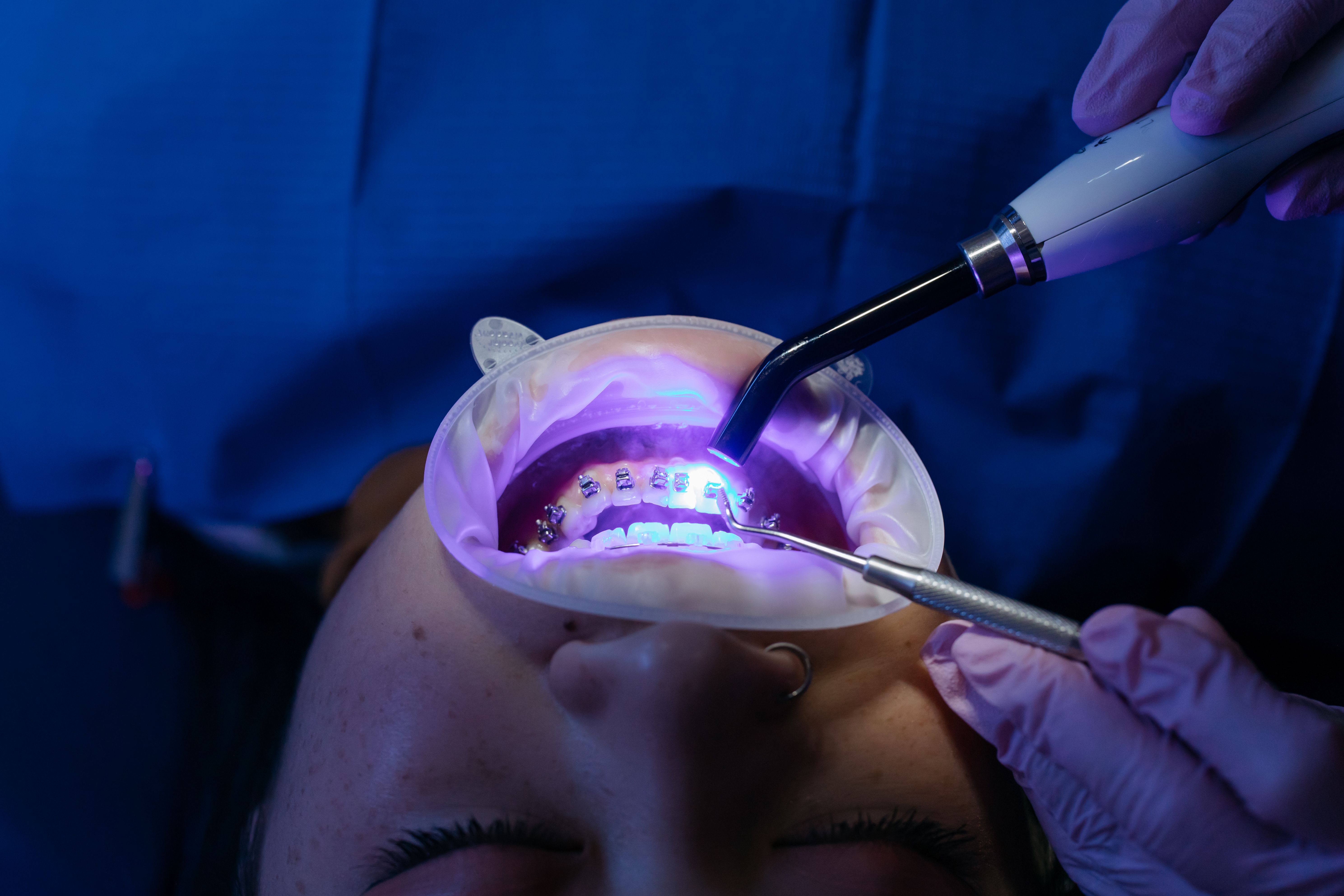
● Orthodontic treatment: Moves teeth into better positions, which may address crowding or spacing without disguising the underlying alignment issue. Treatment takes time and requires consistent care.
The important trade-off is between the size of the change and the amount of natural tooth structure preserved. A dramatic transformation may be possible with several approaches, but the least invasive suitable option is often worth discussing first.
Match Colour to Your Features

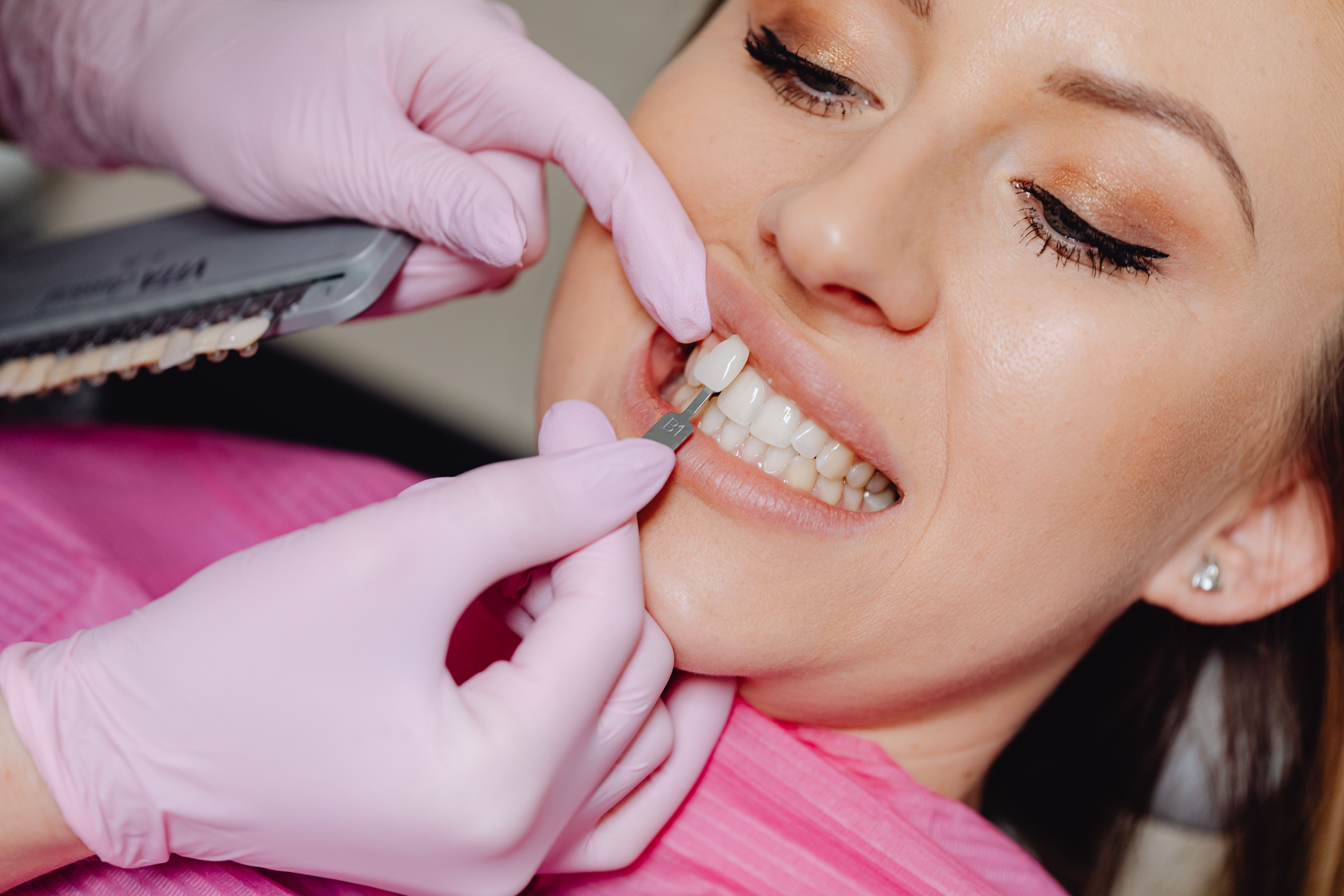
Choosing the brightest possible shade can seem like an easy way to improve your smile. Yet teeth that look strikingly white in a photograph may appear artificial in ordinary daylight, especially when their colour contrasts sharply with the rest of your features.
A more practical approach is to consider your natural tooth colour, skin tone and the appearance of neighbouring teeth. If you are improving only one or two teeth, matching them to the surrounding teeth may matter more than making them as white as possible. A dentist can help assess the shade under suitable lighting before you commit to a change.
Remember that whitening affects natural teeth differently from crowns, veneers and other restorations. If you already have visible dental work, ask how a proposed whitening treatment might affect the overall colour match. Planning the order of treatments can help avoid a situation where restored teeth no longer blend in with your natural smile.
Protect Your Natural Teeth
One costly mistake is choosing a treatment based on its immediate visual impact without considering what must be done to the original teeth. Removing enamel to place a restoration, for instance, is not the same as applying a temporary cosmetic product. Once natural tooth structure has been removed, it cannot simply grow back.
Ask your dentist what preparation is required, whether a more conservative alternative could achieve an acceptable result and what future maintenance might involve. These questions are especially important if you are considering veneers for minor imperfections that could potentially be addressed through bonding or orthodontics.
It is also worth discussing your oral health before starting. Active decay, gum inflammation or untreated dental problems may need attention first. Improving the appearance of a smile is easier to plan responsibly when the teeth and gums are in a suitable condition for treatment.
Think Beyond Treatment Day
A successful cosmetic result depends partly on what happens after the appointment. Whitening may need repeating, bonding can require repairs, and restorations need regular monitoring. Your habits can influence how well the result holds up over time.
If you frequently drink coffee or tea, smoke, bite your nails or grind your teeth, discuss how these habits could affect your chosen treatment. A person who regularly grinds their teeth, for example, may put extra pressure on bonding or veneers. Addressing that habit can be just as important as selecting the restoration itself.
Build maintenance into your decision before you begin. Ask how often you should attend reviews, which cleaning products are suitable and what signs of damage require attention. Knowing the likely upkeep helps you judge the true long-term commitment rather than focusing only on the initial appointment.
Use a Simple Decision Rule
When several treatments seem suitable, compare them against three questions: Does the option address your actual concern? Does it preserve as much healthy tooth structure as reasonably possible? Can you manage the maintenance it requires?
Suppose you have a small chip on one front tooth and want a subtle improvement. Whitening alone would not repair the chip, while veneers might involve more treatment than the problem requires. Bonding could be a reasonable option to discuss, depending on the chip’s size, position, bite forces and the condition of the tooth. The right decision still depends on a clinical examination, but this comparison gives you a useful starting point.
For further background on available care and treatment approaches, you can also explore Brightside Dental as you prepare questions for your consultation. Focus on understanding why a particular option suits your teeth rather than choosing a procedure simply because it produced an appealing result for someone else.
A natural-looking smile is not necessarily the whitest, straightest or most uniform one. It is a smile that suits your features, addresses the concerns that matter to you and can be maintained without unnecessary treatment. Take time to compare your options, ask about the long-term trade-offs and work with your dentist to find an approach that feels right for you.