
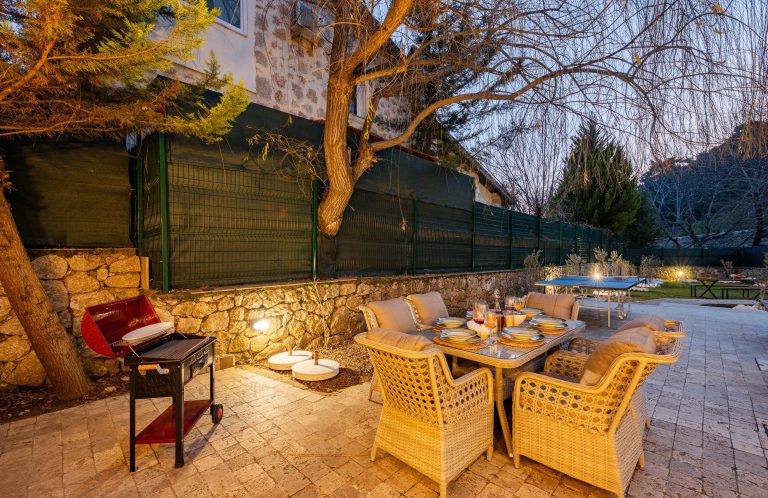
An outdoor dinner should feel easy: people arrive, find a seat, pass a bowl, and stay long after the plates are cleared. For a gluten-free gathering, that ease comes from making a few decisions before anyone rings the doorbell. The aim is not to make a table look clinical or to put one guest under a spotlight. It is to design the space so safe choices are obvious and accidental contact is less likely.
That means treating the patio, deck, grill, coolers, serving table, and lighting as one connected dining system. A beautiful table in full afternoon sun is uncomfortable; a perfectly labeled buffet beside a dirty grill is not safe. The best setup handles both problems at once.

Start with the guest, not the menu
Ask the guest what “gluten-free” needs to mean for them. Someone with celiac disease may need strict avoidance of cross-contact, while another guest may be avoiding gluten for a different reason. Do not make assumptions about shared grills, sauces, packaged foods, or serving utensils. A short private conversation is more respectful than announcing dietary details to the whole group.
The Celiac Disease Foundation’s guidance on social dining recommends asking about preparation, bringing a known-safe dish when necessary, and not assuming that a seemingly simple food is safe. For a home gathering, that translates into three useful questions:
- Are there any ingredients, sauces, marinades, drinks, or desserts the guest needs you to avoid?
- Will gluten-containing food be present, or would an entirely gluten-free menu be simpler?
- Which equipment does the guest consider safe: the grill, cutting boards, colanders, serving bowls, or utensils?
My preference is to make the main meal gluten-free when the group is small enough to do so. It reduces the number of moving parts and prevents the gluten-free guest from receiving a lonely substitute while everyone else eats the “real” food. If you want bread, crackers, or another gluten-containing item, keep it clearly separate and serve it after the gluten-free food has been plated.
Map the outdoor dining space before setting the table
Think in zones rather than decorations. A workable layout usually has four areas:
- Preparation zone: a clean, stable surface for assembling salads, cutting fruit, and plating food.
- Cooking zone: the grill or outdoor cooker, positioned away from the seating path and protected from wind where possible.
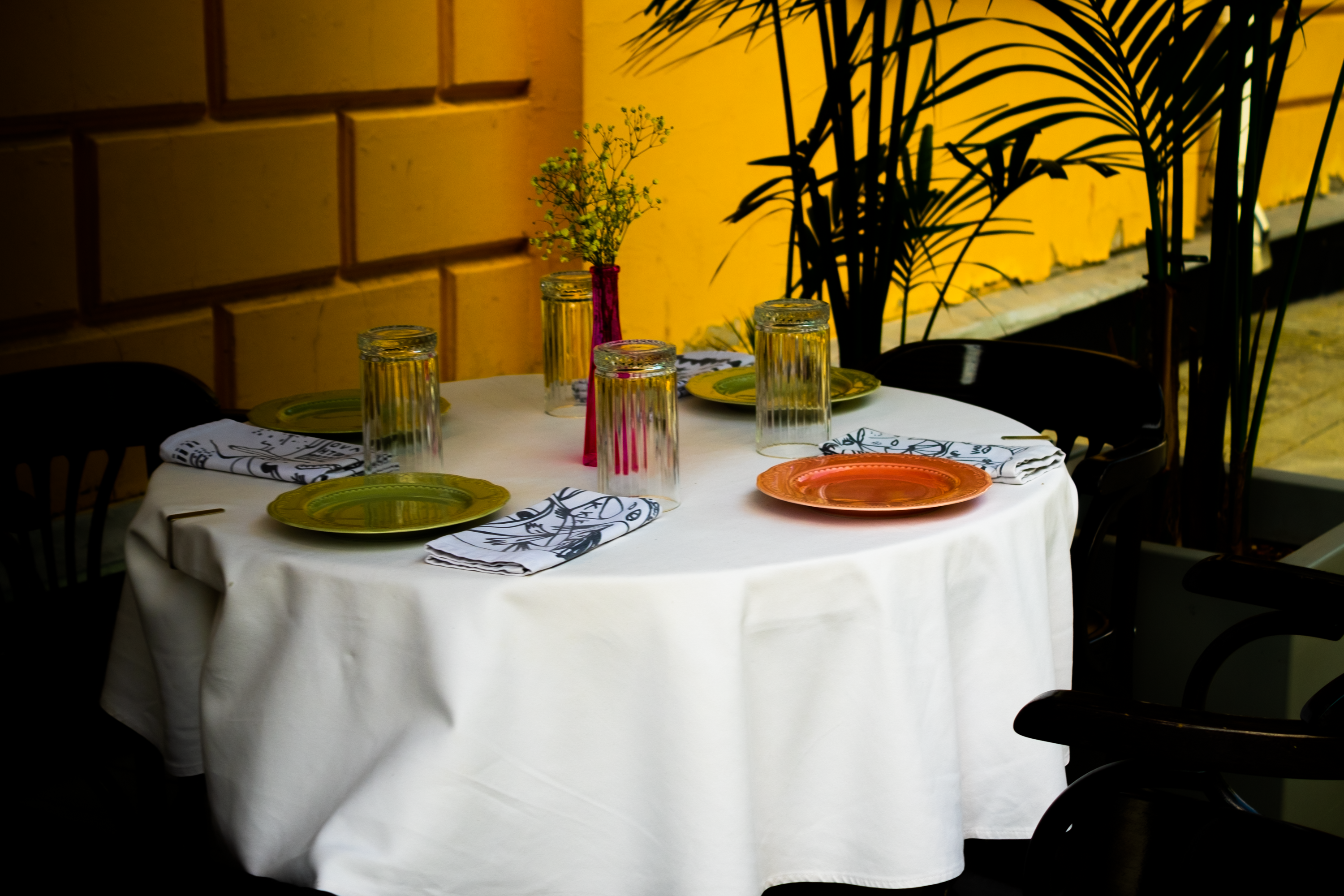
- Serving zone: a table with food, utensils, labels, napkins, and condiments.
- Comfort zone: shaded seating with enough room for people to move without brushing against the buffet.
Do not put the serving table directly beside the grill. Smoke, grease, loose crumbs, and a procession of hands make that arrangement messy. It also encourages the cook to carry a hot tray through the place where guests are filling plates. A short, clear route from grill to a separate landing surface is safer and calmer.
If the dining area is on a raised deck, inspect the edge, stairs, and guard system before concentrating on table styling. composite balustrades are one material option to compare for a secure boundary, alongside local building requirements and the condition of the existing structure. This is not a gluten issue, but a comfortable gathering depends on people being able to move around confidently.
Build a menu that is easy to verify
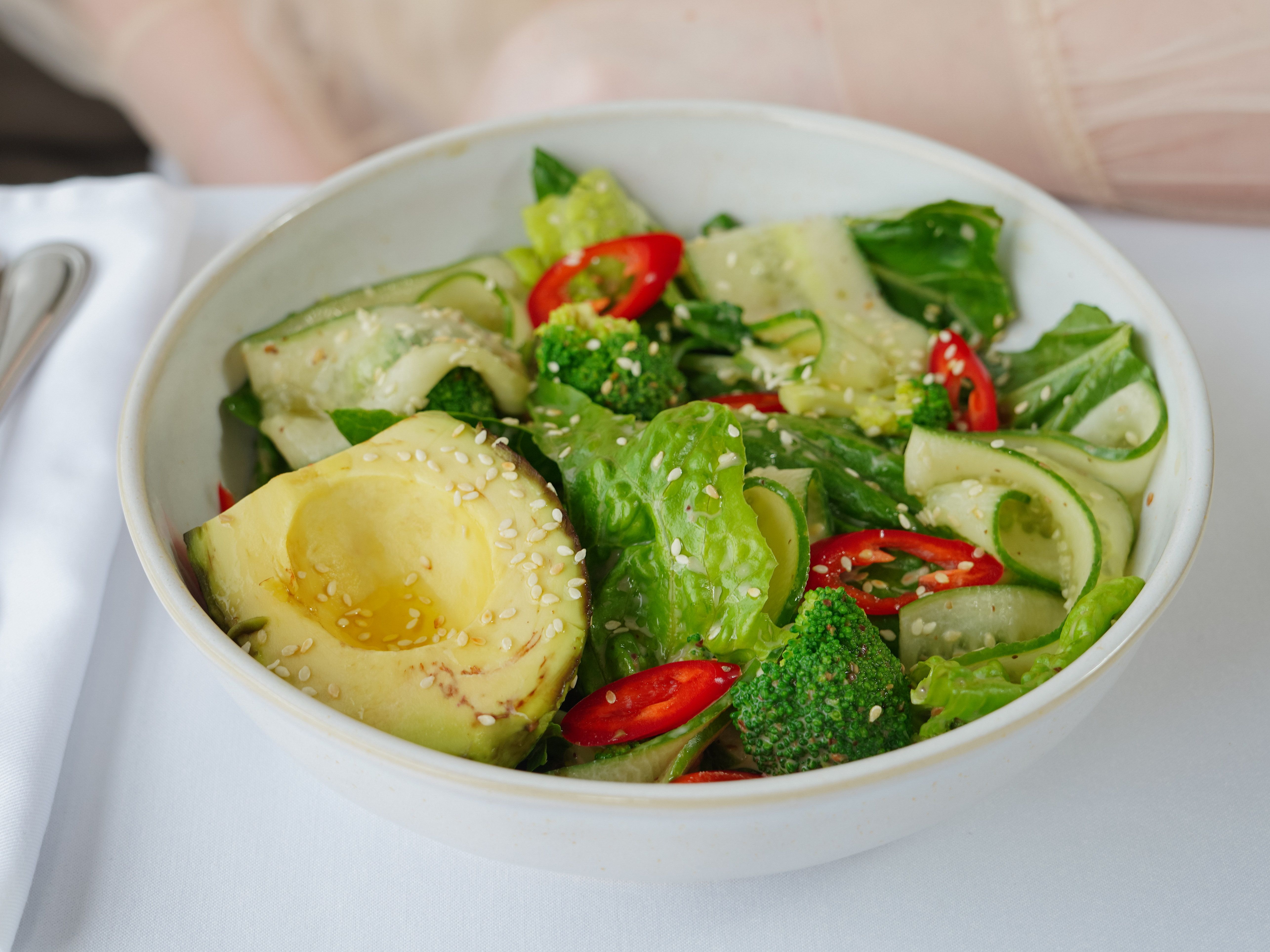
A successful outdoor menu is not the one with the most dishes. It is the one where the host can answer, without guessing, what each dish contains and how it was prepared. Naturally gluten-free ingredients such as vegetables, fruit, unbreaded meat, fish, eggs, dairy, and many whole grains can form a generous meal, but packaged sauces, spice blends, broths, sausages, deli meats, imitation seafood, and dressings need label checks.
Choose dishes that do not require last-minute improvisation. A bowl of vegetables, a substantial salad, grilled food cooked on a clean surface or barrier, and fruit for dessert are easier to track than several casseroles assembled from unlabeled mixes. Keep original packaging or a written ingredient list nearby so questions can be answered accurately.
| Moment | Control to use | What it prevents |
|---|---|---|
| Shopping and prep | Read labels for sauces, marinades, spice mixes, stocks, sausages, and packaged snacks | Hidden gluten entering an otherwise simple dish |
| Before cooking | Wash hands and surfaces; use clean or designated boards, pans, and utensils | Crumbs and residue moving into gluten-free food |
| At the grill | Cook gluten-free food first on a clean grate, separate grill, or foil barrier | Contact with bread crumbs, marinade, or residue |
| At the buffet | Give each dish its own serving utensil and keep the gluten-free dishes together | One utensil moving between dishes |
| During the meal | Keep cold food at 40°F or below and hot food at 140°F or above | Foodborne bacterial growth in warm weather |
Source note: The temperature and outdoor food-handling controls in this table follow the FDA’s outdoor dining guidance current as of March 5, 2024; the gluten cross-contact controls reflect American Gastroenterological Association and National Celiac Association guidance reviewed or published in 2024 and 2026.
Control cross-contact at the grill and table
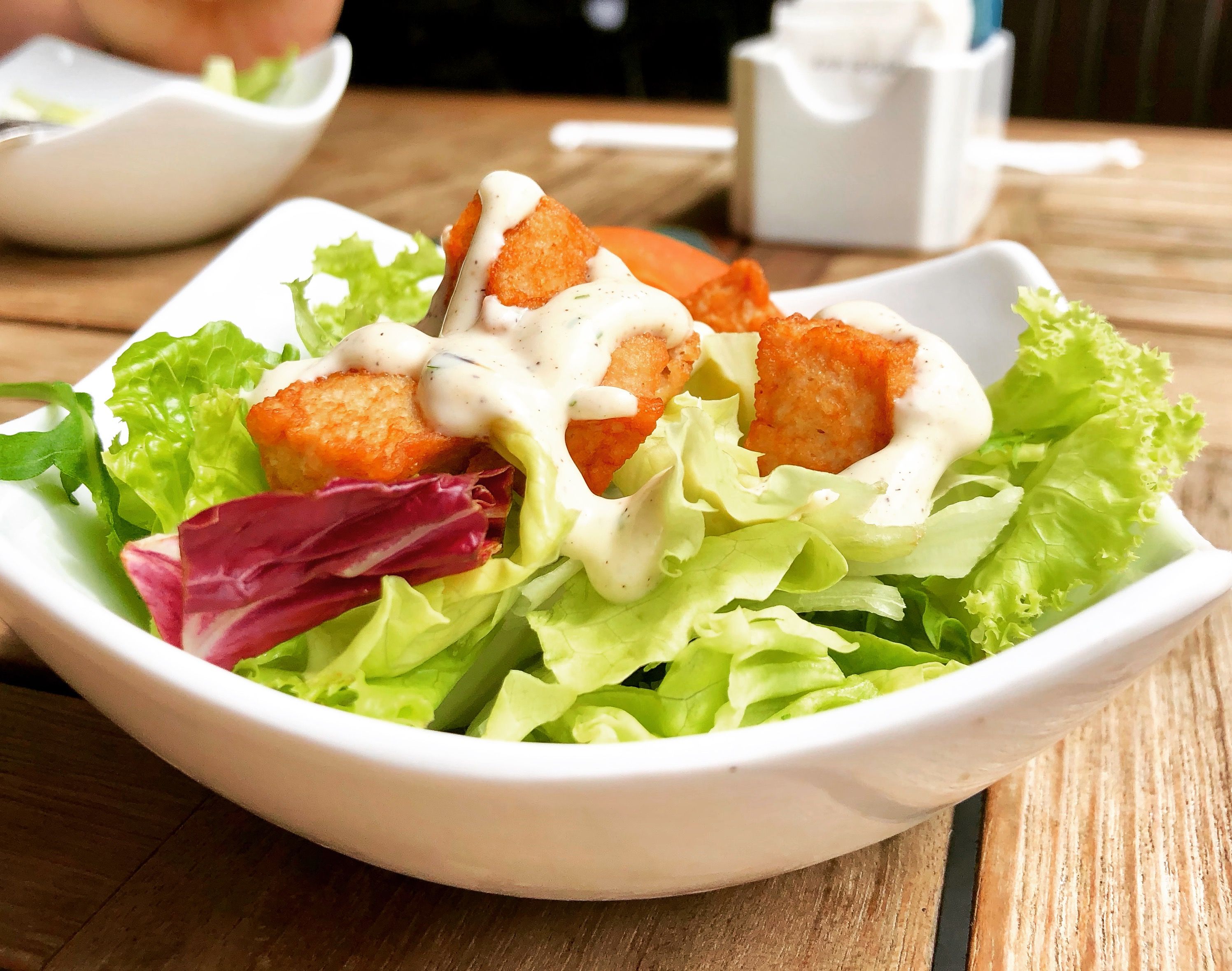
Outdoor cooking creates a few predictable trouble spots. A grill may look clean while holding crumbs or sauce residue. Tongs used for regular buns can then pick up gluten-free vegetables. A serving spoon may migrate from a pasta salad into a bowl of beans. These are small actions, but they are exactly how cross-contact happens.
The National Celiac Association states that heat does not “kill” gluten and recommends cleaning the grill, cooking gluten-free food separately or on foil, using separate utensils, and serving it on a clean plate. In practice:
- Clean the grate with water and dish detergent before cooking, or use a sturdy foil barrier.
- Cook the gluten-free items first, before buns or other gluten-containing food are placed on the grill.
- Use visibly distinct tongs and spatulas, and keep them with the food they serve.
- Never return cooked food to a plate that held raw meat, poultry, or seafood.
- Use squeeze bottles or individual portions of condiments instead of open jars that invite double dipping.
- Place gluten-free food on a separate, clean section of the serving table.
There is some legitimate debate about how much equipment must be permanently dedicated. A small preliminary study reported by the Celiac Disease Foundation found low gluten transfer in several tested scenarios involving a shared toaster, knife, and pasta pot, while also finding a meaningful problem with pasta cooked in previously used water. That does not make a dirty grill or shared serving utensil a sensible gamble. My practical line is simple: clean what can be cleaned, create a physical barrier where cleaning is uncertain, and ask the guest what level of precaution their clinician or dietitian has recommended.
Add shade, seating, lighting, and weather cover
Food safety is only half of comfort. Start with shade: an umbrella, pergola, canopy, or covered porch can reduce glare and make it easier to read labels. Arrange chairs so nobody has to squeeze past the grill or stand with a plate in direct sun. If the gathering runs into evening, use warm, low-glare lighting over the table and brighter task lighting near the preparation area.
Choose seating with backs for the main meal and leave at least one easy-access seat for anyone who needs more support. A small side table beside the dining area is more useful than a crowded centerpiece because guests can put down glasses without reaching across food. Keep napkins, hand-cleaning supplies, and a waste bin within reach; people are less likely to wipe messy hands on serving utensils when the practical supplies are obvious.
Plan for weather without making the table feel temporary. Secure lightweight napkins and menus, keep backup food covered, and move coolers into shade. Wind is a cross-contact problem as well as an annoyance: it can carry crumbs from a bread basket toward uncovered dishes.
Use a simple hosting sequence
A timed sequence prevents the familiar outdoor-dinner scramble.
- Earlier in the day: wash produce, prepare sauces from verified ingredients, and chill perishable food promptly.
- Before guests arrive: clean the preparation surface, set out designated utensils, label dishes, and position coolers in the shade.
- When cooking begins: prepare gluten-free food first on the cleaned grill or barrier, then move it to clean plates.
- When serving: invite guests to take gluten-free food first if that helps protect it from wandering utensils, then introduce any gluten-containing items separately.
- During the meal: replace small platters rather than continually topping up one dish, and monitor food temperatures.
- Afterward: refrigerate leftovers within two hours, or within one hour when outdoor temperatures exceed 90°F. Discard perishable food that has stayed out longer.
The FDA identifies 40°F to 140°F as the food-safety “Danger Zone.” Cold foods should remain at 40°F or below, hot foods at 140°F or above, and food left out beyond the two-hour limit, or one hour above 90°F, should be discarded. That rule may feel wasteful at the end of a generous meal, but an outdoor buffet is not a place to rely on smell or appearance.
Common questions
Should every dish at the gathering be gluten-free?
Not necessarily. An entirely gluten-free menu is often the simplest option, but separate gluten-containing items can work if they are clearly separated and have dedicated utensils. Ask the guest what they consider safe rather than creating a policy based on guesswork.
Can gluten-free food go directly on a shared grill?
Only if the grill has been properly cleaned and the guest is comfortable with that approach. A separate grill or a foil barrier is a more controlled choice when the grate has held buns, breaded food, or gluten-containing marinades.
How should a host label the buffet?
Use plain labels such as “gluten-free” and list sauces or toppings that need checking. Labels help, but they do not replace clean utensils or a separated serving area.
What is the easiest dessert?
Fresh fruit, labeled gluten-free ice cream, or a dessert prepared from ingredients you can verify are straightforward choices. Keep cookies, cake crumbs, and shared scoops away from the gluten-free dessert.
What if the weather becomes too hot?
Move the meal under cover, shorten the buffet window, and return cold dishes to the cooler between servings. The FDA’s two-hour limit becomes one hour when outdoor temperatures are above 90°F.
Make safety feel like good hosting
The most comfortable gluten-free outdoor gathering is not the one with the most warnings posted around it. It is the one where the layout quietly does the work: clean food has a clear home, utensils stay with their dishes, the grill has been addressed before guests arrive, and there is enough shade and seating for people to relax.
When those decisions are made in advance, the host does not have to hover over every plate and the guest does not have to negotiate every bite. The evening becomes what it was meant to be: a shared meal with thoughtful boundaries that are almost invisible once they are in place.