

For people living with celiac disease, safety depends on more than choosing gluten-free food at the grocery store. Everyday details—reading labels, cleaning preparation areas, preventing cross-contact, and maintaining regular meals—can determine whether a person feels well or spends the day managing symptoms. When aging, mobility limitations, memory changes, or another health condition makes these tasks difficult, consistent support at home can protect both health and independence.
In Conway, South Carolina, families may be balancing work, appointments, household responsibilities, and caregiving from a distance. A dependable home care Conway SC provider can give families practical assistance while helping an individual follow the routines recommended by their healthcare team.
Why Consistency Matters for a Gluten-Free Household

Celiac disease requires a strict gluten-free diet. Even small amounts of gluten can trigger an immune response, and cross-contact may occur when shared cutting boards, utensils, toasters, condiments, or cooking surfaces are not handled carefully. For someone who lives alone or has difficulty managing the kitchen, these risks can be easy to overlook.
A home support professional may help with tasks such as:
- Checking food labels and expiration dates
- Separating gluten-free ingredients from other household foods
- Cleaning counters and preparation areas before cooking
- Preparing simple meals according to an established plan
- Organizing groceries and reducing clutter in the kitchen
- Supporting hydration and regular mealtimes
The goal is not to take over the household. It is to make safe choices easier to repeat every day. A predictable routine can also help reduce skipped meals, accidental food exposure, and the stress that comes from trying to remember every detail without assistance.
Support for Older Adults and Their Families
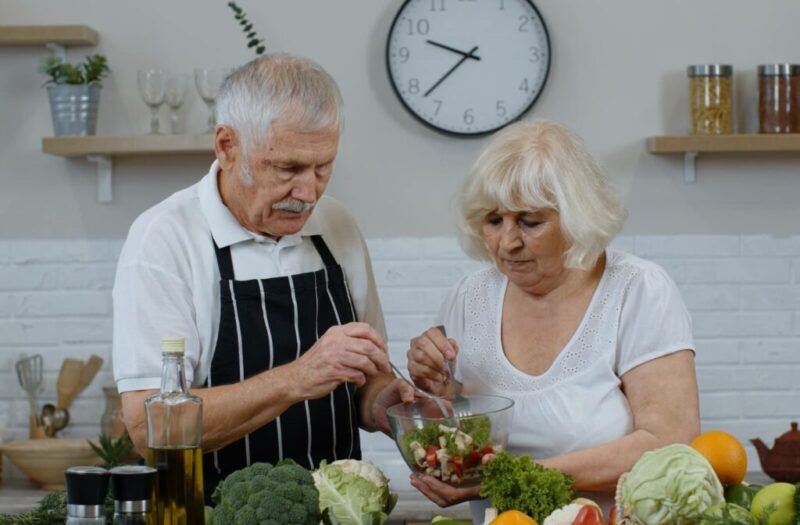
An older adult with celiac disease may understand which foods are safe but struggle with shopping, lifting groceries, standing at the stove, or keeping separate kitchen equipment organized. Arthritis, poor vision, fatigue, or cognitive changes can add another layer of risk.
Family members often want to help but cannot be present for every meal or grocery trip. Regular in-home assistance can fill those gaps. A caregiver may prepare food using the person’s established instructions, help maintain a clean cooking area, and communicate concerns to family members. This support can be especially valuable when relatives live outside Conway or have demanding work schedules.
Care should remain individualized. A professional caregiver should follow the client’s dietary instructions and care plan rather than make independent medical decisions. If symptoms change, weight loss occurs, or food restrictions become more complicated, the family should involve the person’s physician or registered dietitian.
Planning for Busy Seasons and Unexpected Disruptions
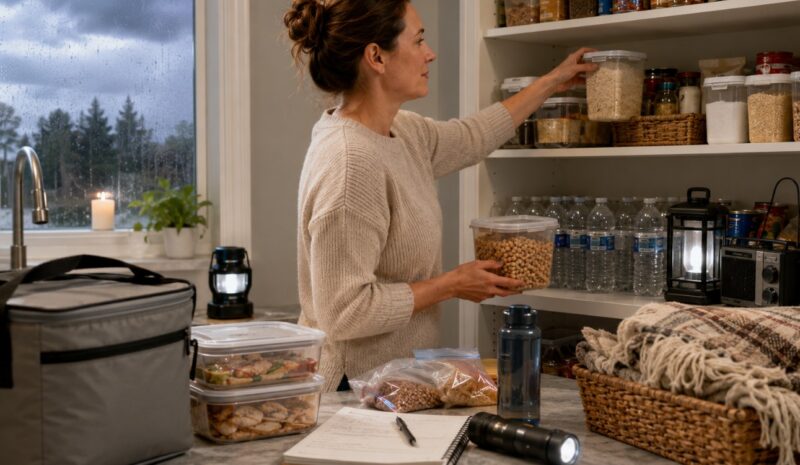
Daily routines often become less predictable during summer visitors, holiday gatherings, storms, or periods of illness. In coastal South Carolina, hurricanes and extended power outages can also affect grocery access, food storage, and meal preparation. A household that normally manages well may need additional planning during these periods.
Families can reduce risk by keeping a practical supply of shelf-stable gluten-free foods, maintaining a written list of safe brands, and identifying meals that require little preparation. A caregiver can help check supplies before severe weather, organize the pantry, and make sure the person has water and safe foods available.
Holiday meals deserve similar attention. Shared buffets, unlabeled dishes, and crowded kitchens increase the chance of cross-contact. Consistent home support can help the individual eat beforehand, prepare a separate meal, or bring clearly identified food to a gathering.
A Routine That Protects More Than Meals
Reliable assistance at home can support medication reminders, appointment preparation, light housekeeping, errands, and personal routines alongside meal safety. These services help create a stable environment where a person with celiac disease can remain engaged in daily life without facing every task alone.
The most useful arrangement is one built around the individual’s actual needs. Some people need help only with shopping and meal preparation, while others benefit from several hours of support each week. By addressing specific barriers early, families can protect independence, reduce preventable stress, and make a gluten-free lifestyle more manageable in every season.